

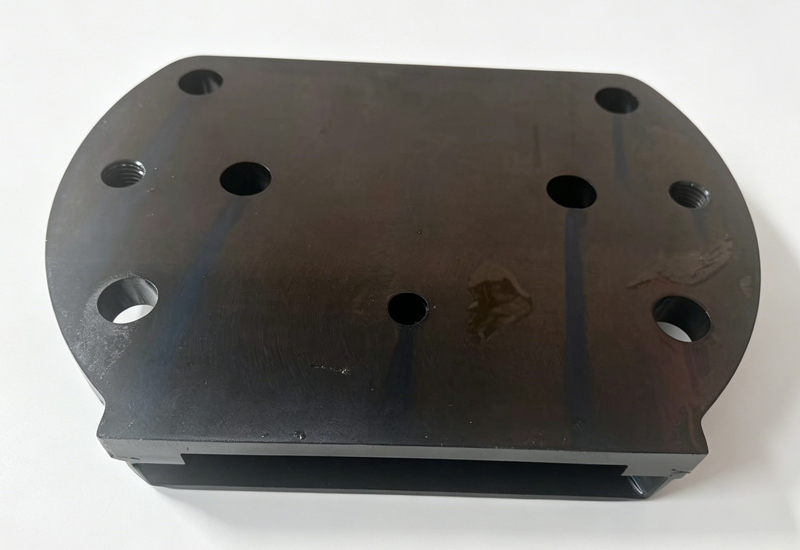
The Alloy Mud Pump Valve Seat and Rubber Valve Insert Maintenance Kit is a critical
maintenance solution for drilling mud pumps used in oil and gas, mining, geothermal, and other
heavy-duty fluid handling applications. Designed to support high-pressure pumping systems, this kit
helps maintain stable sealing performance, reduce fluid leakage, improve pump efficiency, and extend
the service life of mud pump valve assemblies. For operators, drilling contractors, and maintenance
teams, choosing the right valve seat and rubber valve insert maintenance kit is essential for
protecting pump reliability and minimizing costly downtime.
In mud pump systems, the valve seat and valve insert work together to control fluid flow, maintain
pressure integrity, and withstand extreme wear caused by abrasive drilling fluids. Because drilling
mud often contains solids, chemicals, and suspended particles, components must resist impact,
erosion, compression, heat, and repeated cycling. An alloy valve seat combined with a rubber valve
insert provides a strong balance of structural strength and sealing flexibility, making it one of the
most widely used configurations in mud pump maintenance.
This page provides a detailed, SEO-friendly overview of the Alloy Mud Pump Valve Seat and Rubber
Valve Insert Maintenance Kit, including definitions, benefits, component structure, common
specifications, material options, maintenance guidance, selection factors, and application use cases.
The information below is written for industrial buyers, engineers, procurement teams, and technical
readers searching for reliable mud pump valve seat and valve insert maintenance information.
An Alloy Mud Pump Valve Seat and Rubber Valve Insert Maintenance Kit is a grouped
replacement and service package that includes the primary wear components needed to restore or
support mud pump valve performance. The kit typically centers on two essential parts:
These parts are often used in reciprocating mud pumps where the suction and discharge valves open and
close repeatedly under high loads. The maintenance kit may also be described as a valve seat repair
set, valve insert service kit, or mud pump valve maintenance package, depending on the equipment type
and service procedure.
The main purpose of the kit is to simplify routine maintenance, reduce unplanned downtime, and ensure
that the valve assembly continues to operate within proper pressure and sealing limits. By replacing
worn or damaged valve seats and inserts on schedule, operators can maintain consistent pumping
efficiency and avoid performance losses caused by worn sealing surfaces.
The combination of alloy and rubber is highly effective in mud pump valve assemblies because each
material performs a different function. The alloy valve seat provides structural strength, dimensional
stability, and wear resistance. The rubber valve insert supplies flexibility, impact absorption, and
sealing performance.
In harsh drilling environments, a metal-only sealing system would often be too rigid to maintain
reliable closure under cycling loads. A rubber-only system would wear too quickly or deform under
pressure. The alloy and rubber combination helps balance durability and sealing quality, which is
especially important in systems handling abrasive drilling mud, cuttings, and high-pressure fluids.
| Component | Main Function | Key Advantage |
|---|---|---|
| Alloy Valve Seat | Provides hard, stable support for the valve | High wear resistance and structural strength |
| Rubber Valve Insert | Forms a tight seal and cushions impact | Better sealing flexibility and shock absorption |
| Maintenance Kit | Supports replacement and service scheduling | Reduced downtime and easier maintenance planning |
Using a properly selected maintenance kit offers several practical benefits for mud pump owners and
service teams. These advantages are particularly valuable in drilling operations where equipment
uptime, pressure reliability, and operating cost control matter.
The rubber valve insert helps create a strong sealing interface, reducing the risk of backflow,
pressure loss, and slurry leakage. Good sealing performance is essential for maintaining pump
efficiency and protecting system integrity.
Alloy valve seats are designed to resist abrasion, deformation, and surface fatigue. In mud pump
service, wear resistance is one of the most important factors because drilling fluids are often highly
abrasive.
When the seat and insert are manufactured from suitable materials and maintained on a proper schedule,
the assembly can deliver a longer working life than lower-grade alternatives. Longer service life
means fewer shutdowns and lower replacement frequency.
Mud pumps operate under demanding pressure conditions. A stable valve seat and insert combination
helps maintain system pressure, reduce pulsation effects, and support consistent flow behavior.
Maintenance kits help standardize replacement procedures and can reduce emergency repair expenses.
Replacing consumable parts at the right time is typically less expensive than repairing damage caused
by extended wear or failure.
For drilling companies and maintenance warehouses, keeping valve seat and insert maintenance kits on
hand simplifies inventory planning. It is easier to manage a grouped replacement set than to source
individual wear parts during urgent repairs.
Alloy mud pump valve seats and rubber valve inserts are used in many industrial pumping systems.
Their most common applications include:
In these applications, reliability and maintenance efficiency are often more important than initial
purchase price. A properly matched valve seat and valve insert maintenance kit helps stabilize pump
performance in harsh operating conditions.
To understand the role of the maintenance kit, it helps to look at the valve assembly as a whole. A
mud pump valve system generally includes several interrelated parts that work together during each
pumping cycle.
| Part | Function | Maintenance Relevance |
|---|---|---|
| Valve Seat | Supports the sealing surface and holds the valve in position | Primary wear item that affects sealing and pressure performance |
| Valve Insert | Provides resilient sealing contact | Commonly replaced when hardened, cracked, or worn |
| Valve Body | Houses the moving and sealing components | Must remain clean and undamaged for proper fit |
| Spring or Retainer | Assists valve movement and closure | Should be inspected for fatigue or deformation |
| Fluid Passage | Directs mud flow through the pump | Should be checked for erosion and buildup |
The valve seat and insert are among the most frequently serviced parts because they are directly
exposed to fluid pressure, abrasive solids, and repeated mechanical loading. Keeping these parts in
proper condition is essential for overall pump performance.
Alloy valve seats are selected for their ability to resist wear and mechanical stress. Depending on
design requirements, alloy seats may be made from different metal compositions and heat-treated for
enhanced hardness and toughness.
Common material characteristics include:
Alloy seats are often preferred over softer metals because they maintain their shape and sealing
geometry for longer periods. This helps preserve valve alignment and reduces the risk of premature
pump wear.
The rubber valve insert is the flexible sealing element in the assembly. It must withstand repeated
compression, heat, and fluid exposure while retaining enough elasticity to seal properly.
Important rubber characteristics include:
Rubber compound selection is important because different drilling environments may require different
levels of resistance to oil, heat, chemicals, or wear. The wrong compound can lead to swelling,
hardening, cracking, or rapid deterioration.
While exact specifications vary by pump model, operating pressure, and design standard, the following
table shows common specification categories used when evaluating a maintenance kit.
| Specification Item | Typical Range or Description |
|---|---|
| Product Type | Valve seat and rubber valve insert maintenance kit |
| Primary Use | Mud pump valve assembly maintenance and replacement |
| Seat Material | Hardened alloy or wear-resistant metal alloy |
| Insert Material | Industrial rubber or elastomer compound |
| Operating Environment | Abrasive slurry, drilling mud, high-pressure reciprocating service |
| Pressure Rating | Depends on pump model and assembly design |
| Temperature Range | Depends on rubber compound and system conditions |
| Wear Resistance | Designed for extended service in harsh fluid conditions |
| Seal Performance | High sealing reliability under cyclic loading |
| Replacement Interval | Based on operating hours, fluid abrasiveness, and inspection results |
Selecting the correct maintenance kit is essential for avoiding fitment problems and premature wear.
Buyers should consider both mechanical compatibility and operating conditions.
The valve seat and valve insert must match the pump model, valve chamber design, and dimensional
requirements. Even small differences in fit can affect sealing and performance.
Choose a seat alloy and rubber compound suited to the specific fluid conditions. Abrasive mud,
chemical exposure, and temperature changes all influence material selection.
Higher pressure systems often require stronger seating materials and more robust elastomer
performance. The kit must be able to handle repeated cycling without losing sealing force.
If the equipment is used continuously or in severe conditions, it may be worth selecting components
designed for longer wear life and better fatigue resistance.
Maintenance should be simple enough for field technicians to perform efficiently. The kit should
support correct installation, proper alignment, and secure seating.
Proper maintenance helps protect pump performance and extend the service life of the assembly. The
following practices are commonly recommended in industrial mud pump maintenance programs.
Preventive maintenance is generally more cost-effective than reactive repair. When a valve seat or
insert is allowed to fail completely, the resulting damage may affect surrounding components and
increase downtime.
Mud pump valve assemblies usually show warning signs before failure. Recognizing these signs early can
help operators replace components before more serious problems develop.
| Warning Sign | Possible Cause | Recommended Action |
|---|---|---|
| Reduced pump pressure | Poor sealing or worn valve components | Inspect and replace seat or insert if damaged |
| Fluid leakage | Seal surface wear or rubber deterioration | Check valve contact surfaces and replace consumables |
| Unusual noise or vibration | Valve instability, misalignment, or impact wear | Stop operation and inspect valve assembly |
| Visible cracking or hardening | Aging rubber insert | Replace the insert promptly |
| Scoring or pitting on seat surface | Abrasive wear or contamination | Replace seat and clean surrounding parts |
For website owners publishing technical blog posts, category pages, or product directory pages, the
keyword phrase Alloy Mud Pump Valve Seat And Rubber Valve Insert Maintenance Kit can
support strong search relevance when used naturally and consistently throughout the content. Related
keywords include mud pump valve seat, rubber valve insert, valve maintenance kit, mud pump repair
parts, pump sealing components, and drilling pump wear parts.
This topic is suitable for:
A well-structured page with headings, tables, feature descriptions, and application information can
help search engines understand the topic more clearly. Clear formatting also improves user experience,
which is important for engagement and ranking potential.
The following related terms are commonly associated with Alloy Mud Pump Valve Seat and Rubber Valve
Insert Maintenance Kit content and can be used naturally in supporting text:
When evaluating a valve seat and rubber valve insert maintenance kit, buyers should remember that
performance depends on the full system rather than a single part. Pump design, fluid properties,
pressure level, installation quality, and service intervals all influence the final result.
A high-quality maintenance kit should be viewed as part of a broader reliability strategy. The goal is
not only to replace worn items, but also to preserve consistent pump operation, reduce operational
disruption, and support planned maintenance workflows. Regular inspection and correct replacement
practices can significantly improve overall pump lifecycle performance.
The main purpose is to support mud pump valve maintenance by replacing worn seat and insert
components, restoring sealing performance, and reducing downtime.
Alloy is used because it provides better hardness, wear resistance, and structural stability in harsh
pumping conditions.
Rubber provides flexibility, sealing ability, and shock absorption, which help the valve close
properly under repeated cycling.
Replacement frequency depends on operating hours, fluid abrasiveness, pressure levels, and inspection
results. Severe conditions usually require more frequent checks.
No. Compatibility depends on pump model, size, design standards, and installation dimensions. Always
verify fit before replacement.
The Alloy Mud Pump Valve Seat and Rubber Valve Insert Maintenance Kit is an essential
part of reliable mud pump operation in demanding industrial environments. By combining a durable alloy
valve seat with a flexible rubber valve insert, the kit supports strong sealing performance, wear
resistance, and efficient maintenance planning. For drilling and pumping operations that must handle
abrasive fluids and high-pressure cycling, this type of maintenance kit is a practical solution for
preserving equipment reliability and minimizing unplanned shutdowns.
Whether used in oilfield drilling, mining slurry transfer, geothermal applications, or other heavy
pumping systems, the right valve seat and valve insert maintenance kit can make a significant
difference in pump life, service efficiency, and operating stability. For best results, always match
the kit to the pump specification, inspect components regularly, and follow proper maintenance
procedures.
This website uses cookies to ensure you get the best experience on our website.


 Pусский



 WhatsApp
 Phone
Phone
Comment
(0)