

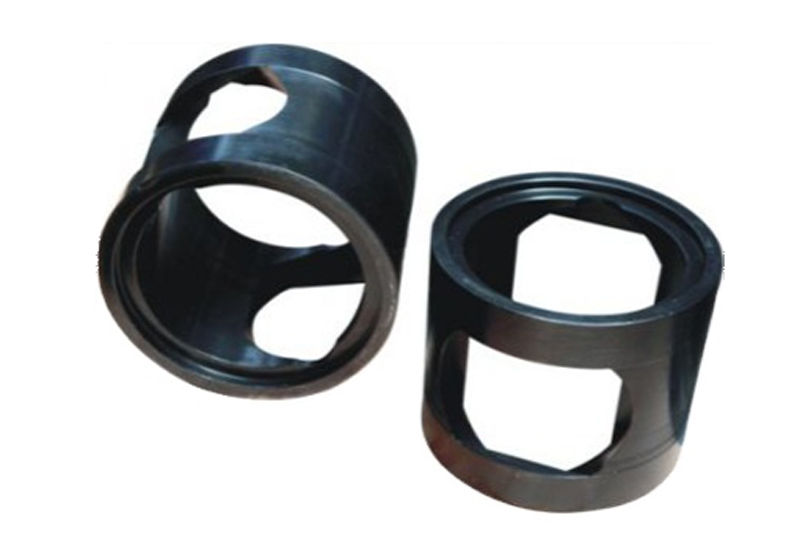
Drilling mud pump Valve Inserts Replaceable Wear Components
Drilling mud pump valve inserts are critical replaceable wear components used in drilling mud pumps to support high-pressure fluid handling in oil and gas drilling operations. These parts are designed to work with the valve assembly and help control the flow of drilling mud under extreme pressure, abrasive solids loading, and continuous reciprocating service. Because mud pumps operate in harsh environments, valve inserts are manufactured as consumable wear parts that can be replaced during routine maintenance to restore sealing performance, reduce leakage, and maintain pumping efficiency.
In drilling fluid circulation systems, the mud pump plays a central role in moving drilling mud from the surface through the drill string and back to the surface through the annulus. Within this system, the valve insert is one of the most important components influencing pump reliability, discharge pressure stability, and service life. When a valve insert becomes worn, cracked, eroded, or heat-damaged, the pump may lose efficiency and require shutdown for repair. For that reason, drilling mud pump valve inserts are widely recognized as essential replaceable wear components in drilling operations.
This page provides a clear, SEO-friendly overview of drilling mud pump valve inserts, including their definition, functions, material types, advantages, common specifications, selection factors, maintenance guidance, and application notes. The information below is written in a way that can be used directly in a blog post, product category page, industry resource page, or technical landing page.
---
What Are Drilling Mud Pump Valve Inserts?
Drilling mud pump valve inserts are replaceable sealing and wear components installed inside the mud pump valve body or valve assembly. Their main function is to assist in the opening and closing of the mud pump valve while maintaining sealing integrity under high pressure and abrasive slurry conditions. In many mud pump systems, the insert is the part that directly contacts the fluid and experiences the most wear.
These inserts are used in both suction and discharge valve systems, depending on pump design and service requirements. They are made from wear-resistant materials that can withstand repeated impact, hydraulic pressure, and the erosive effect of drilling mud containing sand, rock cuttings, weighting agents, and chemical additives.
Because drilling mud pump valve inserts are exposed to severe operating conditions, they are considered consumable parts. Regular replacement is normal and expected as part of mud pump maintenance. Their replaceable nature helps reduce downtime and simplifies repair planning.
---
Why Valve Inserts Are Important in Mud Pump Systems
The valve assembly is one of the most heavily loaded sections in a drilling mud pump. Each pumping cycle forces the valve to open and close rapidly, often thousands of times per hour. This repeated motion, combined with abrasive drilling fluid, creates intense wear on the valve insert.
The importance of valve inserts can be summarized in several key points:
- They help maintain hydraulic sealing inside the pump chamber.
- They reduce fluid leakage and pressure loss.
- They improve pump efficiency during high-pressure drilling operations.
- They protect the valve body and related components from direct wear.
- They support stable mud circulation for drilling performance.
- They can be replaced individually, reducing the need for full valve assembly replacement.
When valve inserts are in good condition, the mud pump can maintain output pressure, improve fluid delivery, and support safe and continuous drilling operations. When they fail, the entire system can suffer from pressure instability, poor volumetric efficiency, and increased maintenance costs.
---
Main Functions of Drilling Mud Pump Valve Inserts
Drilling mud pump valve inserts perform several important functions in a mud pump system. These functions make them essential replaceable wear components in drilling fluid handling.
1. Sealing Function
The insert helps create a tight seal within the valve assembly. This seal is necessary to prevent backflow and maintain pressure in the pumping chamber.
2. Flow Control
The insert supports the opening and closing action of the valve, helping control the direction of mud flow through the pump.
3. Wear Protection
As a sacrificial wear component, the insert absorbs abrasion and impact that would otherwise damage more expensive pump parts.
4. Pressure Support
The insert must hold up under repeated pressure loading, often in high-pressure drilling conditions where failure is not acceptable.
5. Maintenance Convenience
Since the insert is replaceable, it allows operators to restore pump performance without replacing the entire valve assembly.
6. Operational Stability
A properly fitted insert contributes to smoother pump operation, lower leakage rates, and more reliable pumping cycles.
---
Common Materials Used for Valve Inserts
Material selection is one of the most important factors affecting the performance of drilling mud pump valve inserts. Different materials are used depending on pressure, temperature, slurry composition, and desired service life.
Rubber-Based Materials
Rubber inserts are often used where resilience and sealing flexibility are important. They provide good elasticity and are suitable for certain mud conditions.
Polyurethane
Polyurethane valve inserts are known for good wear resistance, flexibility, and impact resistance. They are commonly used in abrasive fluid service.
Nitrile Rubber
Nitrile offers strong resistance to petroleum-based fluids and moderate wear conditions. It may be used in systems where oil exposure is a factor.
Polyurethane and Rubber Blends
Some inserts combine materials to balance sealing ability and wear resistance. These hybrid designs can provide improved durability in mixed service conditions.
Hard-Faced or Composite Materials
For severe-duty applications, composite or reinforced inserts may be used to improve erosion resistance and extend service life.
Metal-Backed Designs
Certain valve insert designs use a metal backing with a wear-resistant outer layer to improve structural support while maintaining sealing capability.
The best material depends on the drilling environment, pump design, and maintenance interval requirements.
---
Advantages of Replaceable Wear Components
Using replaceable wear components such as drilling mud pump valve inserts offers many operational and economic advantages.
| Advantage | Description |
|---|---|
| Lower maintenance cost | Only the worn insert is replaced, not the full valve assembly |
| Reduced downtime | Quick replacement helps restore pump performance faster |
| Better efficiency | New inserts improve sealing and pressure retention |
| Longer equipment life | Protects higher-value pump parts from direct wear |
| Easier inventory management | Operators can stock standard wear parts for planned maintenance |
| Improved service flexibility | Different insert materials can be selected for different conditions |
| Safer operations | Reliable sealing helps reduce fluid leakage and pressure instability |
For drilling contractors and maintenance teams, these advantages make replaceable mud pump valve inserts a practical and cost-effective solution.
---
Typical Applications of Drilling Mud Pump Valve Inserts
Drilling mud pump valve inserts are used in a wide range of drilling-related pumping systems and fluid handling operations.
Oil and Gas Drilling
They are widely used in drilling rigs for circulating drilling mud during well construction.
Onshore Drilling Operations
On land-based rigs, valve inserts help sustain pump performance under frequent use and variable mud properties.
Offshore Drilling
Offshore drilling environments often require dependable wear components due to limited maintenance windows and high operational demand.
High-Solids Pumping
Mud systems containing cuttings, weighting materials, and other abrasives place heavy stress on valve inserts.
Workover and Service Units
Related pumping systems may also use similar replaceable valve components in fluid circulation equipment.
Circulation and Conditioning Systems
Where abrasive slurry or heavy fluid circulation is required, wear-resistant valve inserts help maintain system reliability.
---
How Valve Inserts Perform in Harsh Drilling Conditions
Drilling mud pump valve inserts are exposed to several severe operating factors that make wear resistance essential.
Abrasion
Drilling mud often contains solid particles that erode the insert surface over time.
Impact Loading
The valve closes repeatedly under pressure, creating impact stress on the insert.
Pressure Cycling
Continuous pressure changes during pump strokes create repeated mechanical strain.
Chemical Exposure
Drilling fluids may contain additives, chemicals, and contaminants that can affect certain materials.
Temperature Variations
Depending on well conditions and circulation environment, temperature changes can influence material performance.
Misalignment or Improper Installation
Incorrect installation can cause uneven wear, leakage, and premature failure.
Because of these factors, insert design and material quality are critical for reliable pump operation.
---
Signs of Wear or Failure
Operators should monitor valve inserts for signs of deterioration. Early detection can help prevent major pump issues.
Common signs include:
- Reduced pump pressure
- Increased leakage
- Noticeable vibration or noise
- Poor sealing performance
- Visible cracks or cuts
- Deformation or flattening of the insert
- Uneven wear patterns
- Frequent need for re-tightening or adjustment
- Lower pumping efficiency
When these symptoms appear, the valve insert should be inspected and replaced if necessary.
---
Selection Factors for Drilling Mud Pump Valve Inserts
Choosing the right valve insert requires attention to several technical and operational factors.
| Selection Factor | What to Consider |
|---|---|
| Pump model | The insert must fit the valve assembly design |
| Fluid type | Mud composition, solids content, and additives matter |
| Pressure rating | The insert must withstand operating pressure |
| Temperature range | Material should remain stable in service temperatures |
| Abrasiveness | More abrasive fluids require stronger wear resistance |
| Maintenance interval | Longer service goals may require premium materials |
| Installation method | Fit and compatibility affect sealing and lifespan |
| Operating speed | High-cycle service increases wear demands |
A properly selected insert can significantly improve mud pump reliability and reduce unplanned maintenance.
---
Common Types of Valve Insert Designs
Different pump systems may use different valve insert designs based on service needs and valve architecture.
Standard Duty Inserts
Designed for general drilling service and moderate wear conditions.
Heavy Duty Inserts
Built for high-abrasion or high-pressure drilling environments.
Soft-Seal Inserts
Use flexible materials to improve sealing performance in certain operating conditions.
Reinforced Inserts
Include structural reinforcement for improved durability.
Composite Inserts
Combine multiple materials to balance sealing, impact resistance, and wear life.
Each type is intended to optimize performance in a specific drilling environment.
---
Benefits of Choosing High-Quality Valve Inserts
Quality matters in mud pump valve inserts because the component directly affects pump performance and maintenance frequency.
High-quality inserts typically offer:
- Better wear resistance
- More consistent sealing
- Longer service life
- Lower risk of sudden failure
- Improved pressure stability
- Less frequent replacement intervals
- Better resistance to abrasive fluids
- More predictable maintenance planning
In drilling operations, even small improvements in insert service life can lead to meaningful cost savings and reduced downtime.
---
Maintenance Best Practices
Routine maintenance is essential for extending the life of drilling mud pump valve inserts and keeping the pump in reliable condition.
Regular Inspection
Inspect inserts during planned maintenance intervals for wear, cracking, hardening, or deformation.
Clean the Valve Area
Remove solids, debris, and hardened mud before installing a new insert.
Check Fit and Alignment
Ensure the insert is seated correctly and matches the valve assembly dimensions.
Replace Related Wear Parts
If other valve components are worn, replacing only the insert may not solve the problem.
Monitor Fluid Conditions
High solids, aggressive chemicals, and poor mud conditioning can shorten service life.
Follow Installation Procedures
Proper torque, seating, and assembly practices help prevent premature failure.
Keep Spare Parts Available
Maintaining inventory of commonly used inserts helps reduce downtime when replacements are needed.
---
Storage and Handling Guidelines
Proper storage and handling are important for preserving valve insert quality before installation.
- Store in a clean, dry environment
- Keep away from direct sunlight and extreme temperatures
- Avoid contact with oil, chemicals, or sharp objects
- Do not stack heavy items on top of soft inserts
- Use original packaging when possible
- Inspect parts before installation
These simple practices help prevent material damage and maintain performance.
---
Specification Table for Drilling Mud Pump Valve Inserts
Below is a general specification table for common drilling mud pump valve inserts. Exact dimensions and performance values vary by pump design and manufacturer type, but the table provides useful industry reference information.
| Specification Item | Common Range / Description |
|---|---|
| Product name | Drilling mud pump valve insert |
| Component type | Replaceable wear part |
| Function | Sealing, flow control, wear protection |
| Typical material options | Polyurethane, rubber, nitrile, composite, reinforced designs |
| Service environment | Abrasive drilling mud, high-pressure slurry |
| Pressure resistance | Depends on pump system and valve design |
| Temperature resistance | Depends on material selection |
| Wear resistance | High, especially in heavy-duty variants |
| Replacement method | Manual replacement during maintenance |
| Compatibility | Specific to mud pump valve assembly and size |
| Operating condition | Continuous reciprocating service |
| Maintenance role | Consumable spare part |
| Primary benefit | Restores sealing and pumping efficiency |
---
Valve Insert vs. Other Mud Pump Wear Parts
Drilling mud pump valve inserts are just one of several replaceable wear components in the pump system. Understanding how they compare with other parts helps clarify their role.
| Wear Part | Primary Function | Typical Wear Cause |
|---|---|---|
| Valve insert | Seals and supports valve action | Abrasion, impact, pressure cycling |
| Valve body | Houses valve components | Erosion, mechanical stress |
| Valve seat | Supports sealing interface | Leakage, wear, deformation |
| Piston and piston rubber | Creates reciprocating pressure | Friction, abrasion, heat |
| Liners | Protect pump chamber | Slurry erosion, impact |
| Packing | Prevents leakage around moving parts | Friction, heat, chemical exposure |
Among these, the valve insert is especially important because it directly affects sealing and flow control.
---
How Replaceable Wear Components Improve Equipment Economics
From a lifecycle cost perspective, replaceable wear components are a major advantage in drilling equipment design. Instead of replacing the entire valve assembly or pump section, operators can replace only the worn insert. This reduces material cost, labor time, and downtime.
The economic value includes:
- Lower spare part cost
- Faster maintenance turnaround
- Reduced emergency repair expenses
- Better use of equipment assets
- Longer service life for major pump components
For drilling operations where downtime is expensive, the replaceable wear component concept is a practical engineering solution.
---
Industry Relevance and Search-Friendly Keywords
Drilling mud pump valve inserts are commonly searched using terms such as:
- drilling mud pump valve insert
- mud pump valve insert
- replaceable wear components
- mud pump wear parts
- drilling pump valve seal insert
- high-pressure mud pump parts
- abrasion-resistant valve insert
- mud pump maintenance parts
- drilling fluid pump components
- valve insert for mud pump
Using these keywords naturally in industry content can help improve search visibility for technical and commercial pages focused on drilling equipment spare parts.
---
FAQ: Drilling Mud Pump Valve Inserts
What is a drilling mud pump valve insert?
A drilling mud pump valve insert is a replaceable wear component used in a mud pump valve assembly to support sealing, flow control, and pressure retention.
Why are valve inserts replaceable?
They are designed as consumable parts because they wear out from abrasion, impact, and continuous pressure cycling.
What materials are commonly used?
Common materials include polyurethane, rubber, nitrile, composite formulations, and reinforced designs.
How do I know when to replace a valve insert?
Replace it when you see leakage, pressure loss, visible wear, deformation, cracking, or reduced pump performance.
Are all valve inserts interchangeable?
No. Compatibility depends on pump model, valve design, size, material, and operating conditions.
What is the main benefit of using a quality insert?
The main benefit is reliable sealing and longer service life, which helps reduce downtime and maintenance cost.
---
Conclusion
Drilling mud pump valve inserts are essential replaceable wear components in drilling fluid circulation systems. Their role in sealing, flow control, and wear protection makes them one of the most important parts in a mud pump valve assembly. Because they operate in abrasive, high-pressure, and high-cycle environments, these inserts must be made from durable materials and replaced regularly as part of planned maintenance.
For drilling contractors, pump operators, and maintenance teams, understanding valve insert function, material options, selection criteria, and wear indicators is key to maintaining pump efficiency and reducing operating cost. Whether used in onshore drilling, offshore drilling, or high-solids pumping service, drilling mud pump valve inserts remain a vital component of reliable and productive drilling operations.
---
Quick Reference Table
| Topic | Summary |
|---|---|
| Component | Drilling mud pump valve insert |
| Category | Replaceable wear component |
| Main purpose | Sealing and flow control |
| Key challenge | Abrasion and pressure cycling |
| Common materials | Polyurethane, rubber, nitrile, composite |
| Main benefit | Restores pump performance |
| Maintenance approach | Inspect, replace, and keep spares |
| Industry use | Oil and gas drilling, circulation systems, abrasive slurry service |
---
If you want, I can also turn this into:
1. a more commercial SEO landing page version,
2. a Markdown product/category page, or
3. an HTML-ready version with H1/H2/H3 tags and meta title/description.
This website uses cookies to ensure you get the best experience on our website.


 Pусский



 WhatsApp
 Phone
Phone
Comment
(0)