

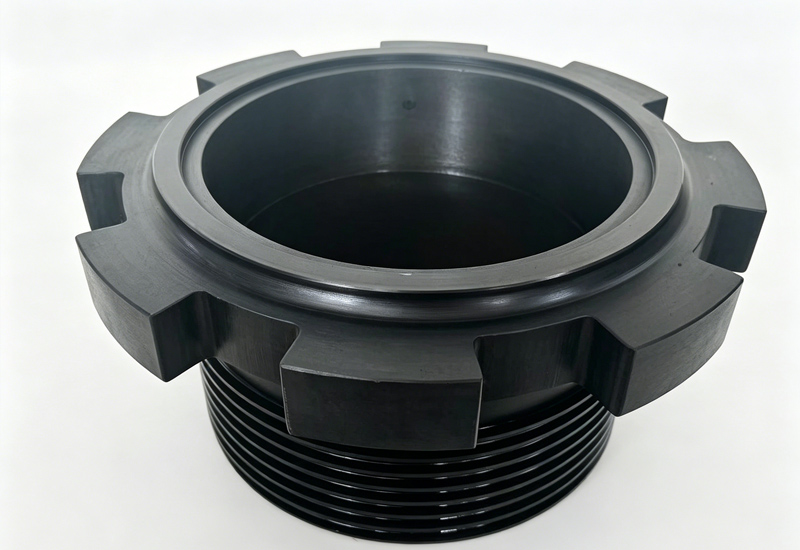
The Medium Displacement bw450 mud pump For Municipal Engineering Drilling is a widely used
drilling fluid circulation pump designed to support municipal infrastructure projects such as water well drilling,
pipeline installation, geotechnical investigation, foundation engineering, and utility trenchless construction.
In municipal engineering drilling, stable slurry delivery is essential for maintaining borehole pressure, removing
cuttings, cooling drilling tools, and improving overall drilling efficiency. A medium displacement mud pump provides
the right balance between flow rate, pressure output, energy consumption, and operational flexibility, making it a
practical solution for many city-based and infrastructure-oriented drilling applications.
This type of mud pump is generally selected when projects require reliable circulation performance without the
excessive size, weight, or power demand of a large displacement pumping system. The BW450 mud pump is commonly
associated with medium-scale drilling rigs and can be used in a variety of soil conditions, including clay, sand,
silt, gravel layers, weathered rock, and mixed strata. For municipal engineering contractors, drilling operators,
and equipment specifiers, understanding the structure, performance characteristics, and working advantages of a
medium displacement BW450 mud pump is important for choosing the right equipment for efficient and stable drilling
operations.
A BW450 mud pump is a piston or plunger-type drilling fluid pump designed to transport mud, water,
bentonite slurry, and other circulation fluids under high pressure through the drilling system. The term
medium displacement refers to the pump’s ability to deliver a balanced flow volume suitable for
medium-duty drilling projects. In practical terms, it fills the gap between low-displacement pumps used for light
drilling tasks and high-displacement pumps used for large-diameter, deep, or demanding borehole work.
In municipal engineering drilling, a medium displacement pump is especially valuable because many city and
infrastructure projects do not require extremely high-flow pumping, but they do demand dependable pressure,
consistent mud circulation, and stable performance across varying ground conditions. The BW450 mud pump supports
these requirements by providing a robust fluid delivery system that helps keep the borehole clean, minimizes
collapse risk, and improves the working environment of the drilling bit and downhole tools.
In municipal engineering drilling, the mud pump is one of the most important supporting components of the drilling
rig. Its main job is to circulate drilling fluid from the mixing tank into the borehole and then return the fluid,
carrying cuttings and debris back to the surface. This circulation process helps control borehole stability, cool
the drill bit, reduce friction, and support efficient penetration.
If pump performance is too weak, the drilling fluid may fail to remove cuttings effectively, which can increase
torque, cause clogging, slow drilling speed, and even lead to borehole collapse. If the pump is oversized, it may
create unnecessary energy use, excessive turbulence, and higher operating costs. A medium displacement BW450 mud
pump provides a practical middle ground for many municipal projects, especially where the borehole diameter,
drilling depth, and geological complexity fall within a moderate range.
| Advantage | Description | Benefit in Municipal Engineering Drilling |
|---|---|---|
| Balanced flow and pressure | Designed to provide moderate to high pressure with a practical displacement range | Suitable for a wide range of municipal drilling applications |
| Stable mud circulation | Maintains continuous fluid delivery during drilling operations | Improves hole cleaning and borehole stability |
| Energy-efficient operation | Avoids unnecessary oversizing while still delivering dependable output | Helps control fuel and electricity consumption |
| Good adaptability | Can work with water, mud, bentonite slurry, and mixed drilling fluids | Useful for varied soil and rock conditions |
| Durable structure | Built with wear-resistant components and strong mechanical design | Supports long service life under demanding field conditions |
| Easy integration | Can be matched with different drilling rigs and circulation systems | Improves equipment compatibility for municipal contractors |
These advantages make the medium displacement BW450 mud pump a practical choice for users who need a dependable
drilling fluid pump without moving into heavier and more expensive pumping categories. Its combination of flow,
pressure, and durability helps support efficient drilling across various municipal tasks.
The BW450 mud pump is used in many municipal drilling scenarios. Although exact project requirements vary, the pump
is commonly applied in operations where reliable fluid circulation is required for moderate-depth and moderate-diameter
boreholes. Typical application areas include:
In these settings, the mud pump must operate reliably under intermittent or continuous duty, sometimes in narrow work
areas or urban environments with limited access. The medium displacement BW450 mud pump is suitable because it can
provide strong circulation performance while remaining manageable in size and operating demand.
The working principle of a mud pump is based on mechanical reciprocating motion. In a BW450 mud pump, a crankshaft
or similar drive mechanism moves pistons or plungers back and forth inside cylinders. This movement creates pressure
changes that draw drilling fluid into the pump chamber during the suction stroke and force it out during the
discharge stroke. The fluid then passes through hoses, manifolds, and drill pipe before entering the borehole.
During circulation, drilling fluid serves multiple functions. It removes rock cuttings from the bottom of the hole,
transports them back to the surface, stabilizes the borehole wall, reduces heat in the drill bit, and helps control
downhole conditions. A medium displacement BW450 mud pump is designed to perform this task steadily and efficiently,
especially where moderate output and reliable pressure are more important than maximum capacity.
| Feature | Function | Operational Value |
|---|---|---|
| Reciprocating pump mechanism | Uses piston/plunger movement to create fluid pressure | Ensures strong and consistent mud delivery |
| Adjustable flow matching | Can be matched with different drilling rig requirements | Improves project flexibility |
| Wear-resistant components | Critical parts are designed to withstand slurry abrasion | Extends service intervals and reduces downtime |
| Compact medium-duty design | Smaller than large displacement pump systems | Easier to transport, install, and maintain |
| Pressure stability | Maintains pressure during normal drilling circulation | Supports borehole cleaning and tool cooling |
| Fluid compatibility | Works with water-based mud and slurry mixtures | Suitable for municipal drilling fluids |
The following table presents commonly referenced technical specification values for a medium displacement BW450 mud
pump used in municipal engineering drilling. Exact parameters may vary depending on design, configuration, and
application requirements. The data below is provided as general industry information and is useful for product pages,
technical articles, and equipment selection guides.
| Specification Item | Typical Value | Notes |
|---|---|---|
| Model type | BW450 | Medium displacement drilling mud pump |
| Rated flow range | Approx. 250–450 L/min | Depends on stroke and operating conditions |
| Rated pressure range | Approx. 2–7 MPa | Suitable for medium-depth drilling applications |
| Power source | Electric motor or diesel engine | Configuration varies by drilling system |
| Drive type | Mechanical transmission | Common in drilling rig fluid systems |
| Fluid medium | Water, mud, bentonite slurry | Standard drilling circulation fluids |
| Application depth | Medium-depth drilling projects | Depends on geological and rig conditions |
| Pump structure | Reciprocating piston/plunger type | Common high-pressure pump architecture |
| Wear parts | Valves, piston cups, liners, seals | Need routine inspection and replacement |
| Working environment | Municipal, construction, geotechnical, utility drilling | Versatile field use |
When selecting drilling equipment, users often compare the BW450 mud pump with smaller or larger models. The main
difference lies in displacement, pressure capability, and overall system balance. Smaller pumps may be more compact
and economical, but they may not support the fluid circulation requirements of deeper or more challenging municipal
drilling jobs. Larger pumps may offer greater capacity, but they can also increase cost, weight, and power demand.
| Pump Category | Main Characteristics | Best Use Scenario |
|---|---|---|
| Low displacement pump | Lower flow, lighter duty, simpler structure | Shallow drilling, light soil work, small-scale projects |
| Medium displacement BW450 mud pump | Balanced flow and pressure, versatile, efficient | Municipal engineering, utility drilling, medium-depth boreholes |
| High displacement pump | Higher flow, stronger output, heavier system | Deep drilling, large diameter holes, demanding geology |
For many municipal engineering drilling projects, the BW450 category offers a better balance than either extremely
small or oversized pumps. It is often preferred where project conditions change frequently, and where the drilling
rig must perform a range of tasks efficiently.
Choosing the right mud pump requires attention to several technical and operational factors. Even when the BW450
model is suitable, the final configuration should still match the project requirements. The following factors are
commonly considered:
By evaluating these factors carefully, project planners can determine whether a medium displacement BW450 mud pump
is the right match for the drilling application. In many cases, it is an effective solution because it provides
enough capacity to support stable circulation without becoming unnecessarily complex.
Municipal engineering contractors often work under time pressure, budget constraints, and site limitations. A
medium displacement BW450 mud pump helps address these challenges by supporting smooth drilling operations and
minimizing unnecessary equipment burden. Its key benefits for contractors include operational reliability, flexible
application scope, and reasonable equipment investment.
Because municipal projects may involve multiple small and medium drilling tasks, a pump with balanced output can be
used across different sites without requiring frequent equipment changes. This improves equipment utilization and
simplifies project planning. In addition, the strong circulation effect of a BW450 mud pump can help reduce
drilling-related issues such as borehole instability, slow cuttings removal, and bit overheating.
| Component | Main Function | Maintenance Importance |
|---|---|---|
| Power end | Converts input power into reciprocating motion | Critical for overall pump operation |
| Fluid end | Handles mud intake and discharge | High-wear area requiring frequent inspection |
| Piston or plunger | Creates pressure through reciprocation | Wear part with replacement interval |
| Liner | Protects cylinder area from abrasion | Important for service life |
| Valves and seats | Control suction and discharge flow | Essential for pumping efficiency |
| Seals and gaskets | Prevent leakage and maintain pressure | Need regular condition checks |
| Frame and base | Supports and stabilizes the Pump Unit | Important for safe installation |
Proper maintenance is essential for keeping a BW450 mud pump in good working condition. Because drilling fluid often
contains abrasive particles, wear can occur in valves, liners, pistons, seals, and related fluid-end parts. Regular
inspection helps detect early wear and prevents unexpected failures during drilling operations.
Typical maintenance practices include checking lubrication, inspecting fasteners, monitoring pressure behavior,
cleaning fluid passages, replacing worn sealing elements, and confirming that valves are functioning properly.
Operators should also verify that the mud mixture is suitable for the pump and that the circulation system is free
from blockages. Good maintenance not only extends equipment life but also improves safety and operational stability.
The versatility of the BW450 mud pump is one of its strongest features. In soft soils such as clay and silt, it
helps maintain steady fluid return and supports borehole cleaning. In sandy formations, it contributes to wall
support and helps prevent collapse by maintaining circulation pressure. In gravel or mixed strata, the consistent
pumping action assists in lifting heavier cuttings and maintaining a workable drilling environment.
Although soil conditions vary from site to site, municipal engineering drilling often requires a pump that can adapt
to changing geology. A medium displacement BW450 mud pump is well suited for this role because it offers enough
output to manage variable conditions without becoming overly large or difficult to integrate into compact drilling
setups.
The Medium Displacement BW450 Mud Pump For Municipal Engineering Drilling is a practical and
efficient solution for drilling fluid circulation in municipal construction, water well drilling, geotechnical
exploration, and utility installation projects. Its balanced displacement, stable pressure output, and versatile
operating performance make it an important choice for contractors and drilling professionals who need dependable
hole cleaning, borehole stabilization, and cuttings removal.
From a technical and operational perspective, the BW450 mud pump delivers the type of performance that many municipal
projects require: reliable fluid circulation, manageable energy use, adaptable working pressure, and compatibility
with common drilling systems. Whether used in shallow to medium-depth wells, foundation work, or trenchless utility
drilling, this pump category supports efficient and stable field operations.
The following keyword phrases are commonly associated with this topic and can help improve content relevance for
search engines when used naturally within a page:
These terms are useful for blog articles, product category pages, technical guides, and industry landing pages.
When combined with structured headings, clear tables, and informative paragraphs, they can help create strong SEO
content for Google indexing and ranking.
```
This website uses cookies to ensure you get the best experience on our website.


 Pусский



 WhatsApp
 Phone
Phone
Comment
(0)