

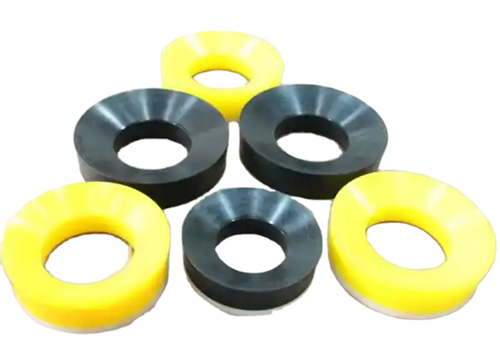
A mud pump suction Filter Assembly is an essential filtration component used in drilling and fluid-handling systems to help
prevent impurity blockage, protect pump performance, and improve the stability of mud circulation. In demanding oilfield,
mining, geothermal, and industrial slurry applications, the suction side of a mud pump is constantly exposed to solids, debris,
fibers, scale particles, and other contaminants. Without proper filtration, these impurities can enter the pump chamber, accelerate
wear, reduce flow efficiency, and contribute to unexpected downtime.
This page provides a clear, SEO-friendly overview of the mud pump suction filter assembly, including its definition,
working principle, advantages, common materials, specifications, selection factors, maintenance guidance, and typical application areas.
The content is written for general industry use and can be inserted directly into a blog post, category page, landing page, or product
education section.
A mud pump suction filter assembly is a protective inlet-side filtration unit installed before the suction port of a mud pump.
Its primary function is to intercept unwanted impurities before they enter the pump body. By filtering out coarse solids and foreign particles,
the assembly helps maintain smooth suction flow and reduces the risk of internal blockage.
In simple terms, the suction filter assembly acts as a first-line defense. It supports cleaner mud intake, helps stabilize pump pressure,
and protects downstream components from premature damage. In applications where drilling mud, bentonite slurry, wastewater mixtures, or
abrasive liquids are processed, this filtration solution is especially valuable.
Impurity blockage is one of the most common causes of poor mud pump performance. When solids accumulate at the suction inlet, they may
restrict the inflow of fluid, increase cavitation risk, or cause the pump to operate under unstable conditions. Over time, this can lead to
reduced output, higher energy consumption, and more frequent maintenance.
Common impurities that can trigger blockage include:
A properly designed mud pump suction filter assembly prevent impurity blockage by capturing these contaminants before they
enter the pump system. This improves reliability and helps extend the service life of critical equipment.
The operating principle is straightforward. Fluid enters the suction line and passes through a filter element or screen. The filter media
retains larger impurities while allowing the fluid to continue toward the pump inlet. The collected solids remain on the filter surface or
within the filter basket until the assembly is cleaned or replaced.
The suction filter assembly may be configured in different forms depending on the application, such as:
Regardless of the format, the goal remains the same: prevent impurity blockage, maintain smooth suction, and protect the mud pump
from contamination-related issues.
A high-quality suction filter assembly offers several operational benefits for drilling and slurry-handling systems. These advantages make it
a practical and cost-effective solution for impurity control.
| Advantage | Description | Operational Benefit |
|---|---|---|
| Impurity Blocking Protection | Captures solids and debris before they enter the pump | Reduces suction-side clogging and internal wear |
| Improved Pump Stability | Helps maintain a consistent inlet flow rate | Supports smoother pump operation |
| Extended Equipment Life | Minimizes abrasive particle damage to components | Reduces replacement frequency and repair costs |
| Lower Maintenance Burden | Prevents large contaminants from entering the pump | Less frequent breakdowns and cleaner systems |
| Better Efficiency | Reduces flow restriction caused by foreign matter | Helps preserve hydraulic performance |
| Operational Safety | Reduces pressure instability and pump strain | Supports safer industrial operation |
The mud pump suction filter assembly is used in many industries where fluid cleanliness and pump protection are important. It is especially
useful in environments where suspended solids are present or where equipment must operate continuously under heavy load.
| Industry | Typical Use Case | Why the Filter Assembly Matters |
|---|---|---|
| Oil and Gas Drilling | Protects mud pumps during drilling fluid circulation | Helps prevent cuttings and solids from clogging the suction line |
| Mining | Handles slurry transfer and abrasive liquid movement | Reduces damage from sand and particulate matter |
| Geothermal Drilling | Maintains cleaner suction flow in hot fluid systems | Supports stable operation in demanding conditions |
| Wastewater Treatment | Filters large debris before pumping contaminated fluids | Prevents clogging and system overload |
| Construction | Used in slurry and bentonite transfer systems | Helps control sediment and foreign objects |
| Chemical Processing | Handles non-corrosive or mixed liquids with solids | Improves inlet cleanliness and system reliability |
Although configurations vary, most mud pump suction filter assemblies share several basic structural elements. Understanding these parts
helps users select the right product and maintain it effectively.
| Component | Function |
|---|---|
| Filter Element | The main filtering medium that blocks impurities |
| Housing or Frame | Supports the filter element and holds the assembly in place |
| Inlet Connection | Allows fluid to enter the assembly from the suction line |
| Outlet Connection | Directs filtered fluid toward the mud pump |
| Seal or Gasket | Helps prevent leakage and maintains suction integrity |
| Cleaning Access | Provides an opening or removable section for maintenance |
Material choice is critical for durability, corrosion resistance, and compatibility with the working fluid. The right material helps the
suction filter assembly handle abrasion, moisture, temperature changes, and chemical exposure.
| Material | Main Characteristics | Best For |
|---|---|---|
| Stainless Steel | Corrosion-resistant, strong, durable | Harsh environments, wet conditions, and industrial slurry systems |
| Carbon Steel | Cost-effective, mechanically strong | General-purpose industrial use |
| Brass | Good corrosion resistance, easy to machine | Moderate-duty filtration applications |
| Polymer / Plastic | Lightweight, economical, chemical-resistant in some cases | Light-duty or specialized fluid handling |
| Perforated Metal Mesh | Strong structural support with open filtration area | Coarse impurity blocking and high-flow systems |
Mud pump suction filter assembly specifications can vary widely depending on the system design, flow requirements, and operating pressure.
The following table provides a general reference for common specification categories.
| Specification Item | Typical Range / Options |
|---|---|
| Filter Type | Mesh screen, basket strainer, inline suction filter, cartridge assembly |
| Filtration Rating | Coarse to medium filtration, depending on application |
| Connection Size | Varies by pump model and suction line diameter |
| Flow Capacity | Designed to match low, medium, or high-flow systems |
| Operating Pressure | Usually selected for suction-side working conditions |
| Temperature Range | Dependent on materials and sealing elements |
| Cleaning Method | Manual cleaning, rinsing, brush cleaning, element replacement |
| Mounting Style | Inline, flange-mounted, threaded, or custom-fit design |
Choosing the right suction filter assembly requires attention to fluid conditions, pump size, and impurity level. A well-matched filter
helps ensure impurity blockage prevention without unnecessarily limiting suction flow.
The phrase mud pump suction filter assembly prevent impurity blockage reflects a key operational goal in fluid transfer systems.
By removing unwanted particles before they reach the suction chamber, the assembly helps reduce the likelihood of:
These benefits are especially important in continuous-duty operations where even short interruptions can affect productivity. In heavy-duty
environments, impurity control is not optional; it is a necessary part of reliable pump management.
Regular maintenance keeps a suction filter assembly performing effectively. A clogged filter can create the opposite of its intended effect
by restricting flow and increasing suction resistance. For this reason, scheduled inspection and cleaning are essential.
Maintenance frequency depends on operating conditions, impurity concentration, and process intensity. Systems that handle heavy slurry or
dirty fluid typically require more frequent cleaning.
Recognizing early signs of filter restriction can prevent bigger problems. Common warning indicators include:
When these symptoms appear, the suction filter assembly should be inspected immediately. Timely cleaning or replacement can restore
performance and help avoid severe blockage.
| Condition | With Suction Filter Assembly | Without Filtration |
|---|---|---|
| Impurity Control | Large particles are intercepted before entering the pump | Debris may circulate into the pump body |
| Blockage Risk | Lower risk of suction-side clogging | Higher risk of blockage and flow loss |
| Component Wear | Reduced abrasive damage | Faster wear on internal parts |
| Maintenance Demand | More predictable and manageable | Often higher and less predictable |
| System Reliability | Improved operational consistency | Greater chance of downtime |
For search optimization, this topic is commonly associated with terms such as mud pump suction filter assembly,
impurity blockage prevention, suction strainer, mud pump inlet filtration,
drilling mud pump filter, slurry pump suction filter, pump protection filter,
industrial suction filter assembly, and mud pump blockage prevention.
Including these keywords in a natural, readable way can help improve organic visibility while keeping the content useful for engineers,
procurement teams, maintenance staff, and industry researchers.
| Term | Meaning |
|---|---|
| Suction Side | The inlet section where fluid enters the pump |
| Filtration Rating | The size of particles the filter can retain |
| Strainer | A coarse filter used to block larger solids |
| Flow Restriction | Resistance to fluid movement caused by blockage or design limits |
| Cavitation | Formation of vapor bubbles in a pump due to low inlet pressure |
| Suspended Solids | Particles carried within the fluid stream |
The Mud Pump Suction Filter Assembly Prevent Impurity Blockage solution is a practical and important component for maintaining
reliable mud pump operation. By filtering out debris, solids, and foreign particles at the suction inlet, it helps prevent clogging,
reduces wear, improves flow stability, and supports longer equipment life.
For industries that depend on continuous fluid circulation, suction-side filtration is a simple but highly effective way to improve
performance and minimize downtime. Whether used in drilling, mining, slurry transfer, or wastewater systems, the mud pump suction filter
assembly remains a key component in impurity control and pump protection.
This website uses cookies to ensure you get the best experience on our website.


 Pусский



 WhatsApp
 Phone
Phone
Comment
(0)