

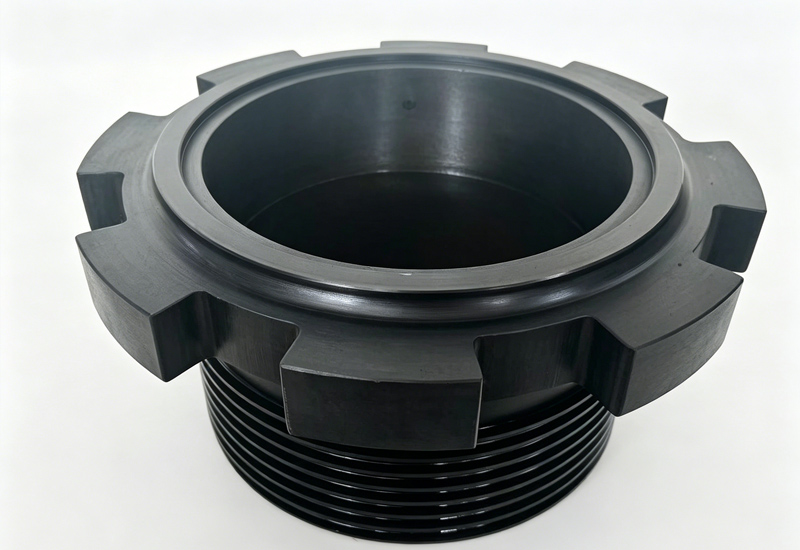
A triplex mud pump Assembly Complete Suction and Discharge System is a critical fluid handling solution used in drilling operations to move drilling mud efficiently from the suction side into the pump and then into the discharge line for high-pressure circulation. In oil and gas drilling, geothermal drilling, mining, and other heavy-duty industrial applications, the mud pump is one of the most important pieces of equipment in the circulation system. Its job is to maintain consistent fluid flow, generate the pressure required for drilling, and support hole cleaning, cuttings removal, and wellbore stability.
The triplex mud pump design uses three pistons or plungers, which helps create smoother flow, higher reliability, and better pressure performance compared with simpler pump types. When combined with a complete suction and discharge system, the entire assembly becomes a highly engineered process solution that supports efficient fluid intake, pressure transfer, and discharge control. For buyers, engineers, drilling contractors, and project specifiers, understanding the components, working principles, benefits, and technical parameters of a triplex mud pump assembly complete suction and discharge system is essential for selecting the right configuration.
This page provides a detailed, SEO-friendly overview of the system, including definitions, applications, main components, working principles, advantages, typical specifications, maintenance considerations, and selection factors. The content is written in clear English and structured for direct use in blogs, category pages, industry pages, or product information pages.
A triplex mud pump assembly complete suction and discharge system is a complete pumping arrangement designed to handle drilling fluid, commonly called mud, in demanding drilling environments. The term “triplex” refers to the use of three pumping chambers or three plungers/pistons. The system includes the suction piping, suction manifold, suction hose or connection, pump fluid end, discharge manifold, discharge piping, pulsation damping components, valves, and related fittings required to manage fluid flow from the mud pit or mixing tank into the pump and then onward to the wellbore circulation line.
In practical use, this system must withstand abrasive fluids, high pressure, continuous operation, and harsh site conditions. The suction section is responsible for feeding the pump with drilling mud at a stable flow rate, while the discharge section carries the pressurized mud to downstream equipment such as standpipe systems, rotary hoses, or top drive connections. A well-designed suction and discharge system improves pump efficiency, reduces pressure loss, minimizes cavitation risk, and enhances overall drilling performance.
The performance of a mud pump depends not only on the pump itself but also on the quality of the suction and discharge system connected to it. Even a high-capacity pump can lose efficiency if suction conditions are poor, piping is undersized, discharge losses are excessive, or pressure pulsations are not controlled. That is why a complete triplex mud pump suction and discharge system is considered a vital part of the drilling circulation loop.
The suction side must deliver drilling mud with minimal restriction. If the suction line is too narrow, too long, improperly sealed, or exposed to air leaks, the pump may experience cavitation, uneven flow, and reduced service life. On the discharge side, the system must safely transport high-pressure mud with strong mechanical integrity, precise pressure ratings, and reliable sealing. Because drilling mud can be abrasive and chemically active, both suction and discharge components must be selected for durability and compatibility.
A full system is made up of multiple integrated parts. Each component supports fluid movement, pressure control, and operational stability. The following table summarizes the core components and their functions.
| Component | Function | Typical Design Consideration |
|---|---|---|
| Suction Manifold | Collects drilling mud from the tank or pit and feeds it to the pump inlet | Low pressure loss, corrosion resistance, easy maintenance |
| Suction Hose or Suction Piping | Transfers mud from source to pump inlet | Large internal diameter, anti-collapse construction, leak prevention |
| Strainers / Filters | Remove large debris before mud enters the pump | Avoid blockage while protecting fluid end components |
| Triplex Pump Fluid End | Converts mechanical power into mud pressure and flow | Wear resistance, valve integrity, plunger durability |
| Discharge Manifold | Collects pressurized mud from the pump outlets | High-pressure rating, robust welds, reliable sealing |
| Discharge Piping | Transfers pressurized mud to the standpipe or next system stage | Pressure-safe design, abrasion resistance, vibration control |
| Pulsation Dampener | Reduces pressure fluctuations and flow surges | Improves stability and protects piping/equipment |
| Valves and Fittings | Control flow direction and connect system segments | Leak-tight performance, pressure compatibility |
| Pressure Gauges / Sensors | Monitor operating pressure and system performance | Accurate reading, harsh-environment durability |
| Mounting Skid / Frame | Provides structural support and alignment | Heavy-duty construction, easy installation |
The working principle of a triplex mud pump assembly complete suction and discharge system is based on reciprocating motion. The pump contains three plungers or pistons arranged to operate in sequence. As one chamber draws in drilling mud through the suction valve, another chamber compresses fluid, and the third discharges pressurized mud. This alternating action produces a relatively steady flow with fewer pressure spikes than some alternative pump designs.
During the suction phase, the plunger moves backward and creates a pressure drop in the chamber. This allows mud to flow in from the suction manifold. When the plunger moves forward, the suction valve closes, and the discharge valve opens, forcing mud into the discharge manifold under pressure. This cycle repeats continuously, delivering the flow and pressure required for drilling operations.
The complete suction and discharge system ensures the pump receives a constant supply of mud and delivers it safely to the drilling line. Proper suction geometry reduces inlet resistance and prevents air entrainment, while properly sized discharge piping maintains output pressure and operational efficiency.
A triplex mud pump and its suction/discharge system are used in many industries where controlled fluid circulation and pressure are essential. The most common application is oil and gas drilling, but the system is also found in various other heavy-duty environments.
| Industry / Application | Typical Use | Operational Benefit |
|---|---|---|
| Oil and Gas Drilling | Circulating drilling mud in rotary and directional wells | Supports bit cooling, cuttings removal, and well pressure control |
| Geothermal Drilling | Handling high-temperature drilling fluids | Maintains circulation under demanding thermal conditions |
| Mining and Exploration | Transporting slurry or drilling mud in exploration boreholes | Improves hole cleaning and fluid movement |
| Well Servicing | Pumping fluid during maintenance and intervention operations | Provides reliable flow control during service work |
| Construction Drilling | Used in piling, foundation, and horizontal drilling support | Delivers stable fluid circulation for drilling support |
| Industrial Slurry Transfer | Managing abrasive fluid mixtures in severe-duty systems | Handles viscous and abrasive media effectively |
One of the biggest reasons triplex mud pumps remain widely used is their strong balance of performance, durability, and flow quality. When paired with a complete suction and discharge system, the benefits become even more significant.
| Advantage | Description |
|---|---|
| High Pressure Capability | Triplex systems are designed to handle demanding pressure levels required for deep drilling and difficult formations. |
| Stable Flow | Three pumping chambers help create a smoother discharge pattern with reduced pulsation. |
| Efficient Mud Circulation | The system supports effective movement of drilling fluid through the wellbore. |
| Improved Hole Cleaning | Constant circulation helps remove cuttings and keep the drill path clear. |
| Durability | Heavy-duty construction allows operation in abrasive and harsh environments. |
| Maintenance Accessibility | Many systems are designed for easier inspection, replacement, and repair of wear parts. |
| Pressure Control | Complete suction and discharge architecture supports safe and predictable fluid handling. |
| System Integration | The pump can integrate with manifolds, dampeners, hoses, and monitoring instruments. |
The exact specifications of a triplex mud pump assembly complete suction and discharge system vary by design, duty cycle, drilling depth, and application. However, there are common technical parameters that are useful for comparison and selection.
| Specification | Typical Range / Description | Notes |
|---|---|---|
| Pump Type | Triplex reciprocating mud pump | Three-plunger or three-piston configuration |
| Flow Rate | Application-dependent, often moderate to high volume | Determined by bore size, stroking speed, and liner size |
| Pressure Rating | High-pressure duty, depending on drilling requirements | Must match manifold, fittings, and piping ratings |
| Suction Connection Size | Selected based on pump capacity and inlet design | Larger sizes reduce inlet resistance |
| Discharge Connection Size | Matched to flow and pressure requirement | Must support safe pressure transfer |
| Fluid Compatibility | Water-based mud, oil-based mud, synthetic mud, slurry | Material selection depends on fluid properties |
| Material Options | Alloy steel, ductile iron, forged steel, wear-resistant liners | Chosen for strength and abrasion resistance |
| Operating Temperature | Depends on drilling environment and fluid type | High-temperature use may require special sealing materials |
| Mounting Style | Skid-mounted or frame-mounted | Should allow stable alignment and servicing |
| Control Instruments | Pressure gauges, sensors, dampeners, relief devices | Supports safe and efficient operation |
The suction side of a mud pump is especially important because it directly influences pump performance and reliability. Poor suction design can lead to low flow, cavitation, noise, vibration, and increased wear. For this reason, engineers typically focus on the following points when designing or evaluating a triplex mud pump assembly complete suction and discharge system.
In a drilling environment, suction system inefficiency can create a cascade of problems throughout the circulation loop. A well-planned inlet arrangement helps ensure that the pump receives an uninterrupted supply of fluid and can operate at the designed capacity.
The discharge side carries high-pressure mud, so safety and structural integrity are essential. The discharge line must be designed to withstand repeated pressure cycling, vibration, and abrasion from drilling fluids. Because of the energy involved, discharge components require proper selection and installation.
A well-built discharge system extends component life, improves pressure consistency, and contributes to safer drilling operations.
Material selection is a major factor in system reliability. Because drilling mud may be abrasive, corrosive, or chemically aggressive, the system must be built from materials that withstand severe service.
| Material | Common Use | Key Benefit |
|---|---|---|
| Carbon Steel | General structural piping and frames | Strong, cost-effective, widely available |
| Alloy Steel | High-pressure and wear-prone components | Improved strength and fatigue resistance |
| Forged Steel | Manifolds, fittings, pressure sections | Excellent structural integrity under pressure |
| Ductile Iron | Selected housings and fluid-end parts | Good toughness and castability |
| Rubber or Composite Hose Linings | Suction hoses and flexible connections | Flexibility and resistance to fluid wear |
| Wear-Resistant Alloys | Critical internal wear parts | Longer service life in abrasive service |
When evaluating a triplex mud pump assembly complete suction and discharge system, several indicators suggest strong engineering and good long-term performance. These signs are useful for buyers and technical teams comparing different configurations.
Proper maintenance is essential to keep the complete suction and discharge system working reliably. Since triplex mud pumps often operate in remote, demanding, and continuous-duty environments, maintenance routines should be systematic and preventive.
| Maintenance Task | Purpose | Recommended Focus |
|---|---|---|
| Daily Visual Inspection | Identify leaks, cracks, loose fittings, and abnormal wear | Look at hoses, manifolds, valves, and seals |
| Pressure Monitoring | Detect abnormal pressure changes early | Compare operating values with design range |
| Strainer Cleaning | Prevent inlet blockage and suction restriction | Remove debris and solids regularly |
| Valve and Seal Inspection | Maintain flow efficiency and prevent leakage | Replace worn components before failure |
| Pulsation Dampener Check | Ensure pressure fluctuation control remains effective | Inspect pre-charge and structural condition |
| Fastener Tightening | Reduce vibration-related loosening | Check clamps, bolts, and flange connections |
| Corrosion and Erosion Review | Assess material loss from abrasive service | Inspect internal surfaces where possible |
Routine maintenance not only improves pump uptime but also helps protect personnel and surrounding equipment from failure-related hazards.
Selecting the correct system requires balancing pressure, flow, durability, installation constraints, and application demands. The best choice depends on the drilling program and the operational environment.
For content optimization and search visibility, the following keyword phrases are commonly relevant to this topic. They can be naturally incorporated into product pages, technical articles, and industry landing pages.
| Primary Keywords | Supporting Keywords | Long-Tail Keywords |
|---|---|---|
| Triplex Mud Pump Assembly | mud pump suction system | complete triplex mud pump suction and discharge system |
| Complete Suction and Discharge System | mud pump discharge manifold | high-pressure triplex mud pump discharge assembly |
| Triplex Mud Pump | drilling mud circulation system | heavy-duty triplex mud pump assembly for drilling |
| Mud Pump Assembly | pulsation dampener system | complete suction and discharge piping for mud pump |
| Suction and Discharge System | drilling fluid handling equipment | triplex mud pump system for oil and gas drilling |
Understanding common terminology can help readers, buyers, and engineers communicate more effectively when discussing a triplex mud pump assembly complete suction and discharge system.
| Term | Meaning |
|---|---|
| Fluid End | The section of the pump that directly handles drilling mud and pressure generation |
| Discharge Manifold | The outlet collection point for pressurized mud |
| Suction Manifold | The inlet collection point for mud entering the pump |
| Pulsation Dampener | A component used to reduce pressure fluctuations |
| Plunger | A reciprocating element that moves fluid through the pump chamber |
| Valve Assembly | The intake and discharge control elements in the pump fluid end |
| Standpipe | A high-pressure line that carries mud upward to the drill string |
| Circulation System | The complete loop that moves drilling mud through the well and back to the surface |
If you are creating a blog post, product category page, or technical landing page, a triplex mud pump assembly complete suction and discharge system topic can support strong organic search performance when presented with a clear structure, relevant subheadings, and repeated natural keyword usage. Search engines typically favor pages that explain the topic in depth, answer related questions, and present information in a readable format.
To improve discoverability, a page on this topic should include related phrases such as mud pump suction manifold, discharge piping, triplex drilling pump, drilling fluid circulation, and complete mud pump assembly. Tables, bullet lists, and definition sections also help users scan the page quickly, which may improve engagement and time on page.
A Triplex Mud Pump Assembly Complete Suction and Discharge System is a foundational part of modern drilling fluid circulation. It combines high-pressure pumping capability with carefully designed inlet and outlet components to move drilling mud safely, efficiently, and reliably. From oil and gas drilling to geothermal and industrial slurry handling, the triplex configuration remains one of the most trusted solutions for severe-duty fluid transfer.
By understanding the main components, operation principles, technical specifications, material choices, and maintenance requirements, engineers and buyers can make better selection decisions and improve system performance. For SEO-focused content, this topic offers strong opportunities to rank for a wide range of industrial and technical keywords, especially when the page includes detailed explanations, tables, and structured headings. A well-written, information-rich page can serve as a valuable resource for readers seeking practical knowledge about triplex mud pump assemblies, suction systems, discharge systems, and drilling fluid handling equipment.
```
This website uses cookies to ensure you get the best experience on our website.


 Pусский



 WhatsApp
 Phone
Phone
Comment
(0)