

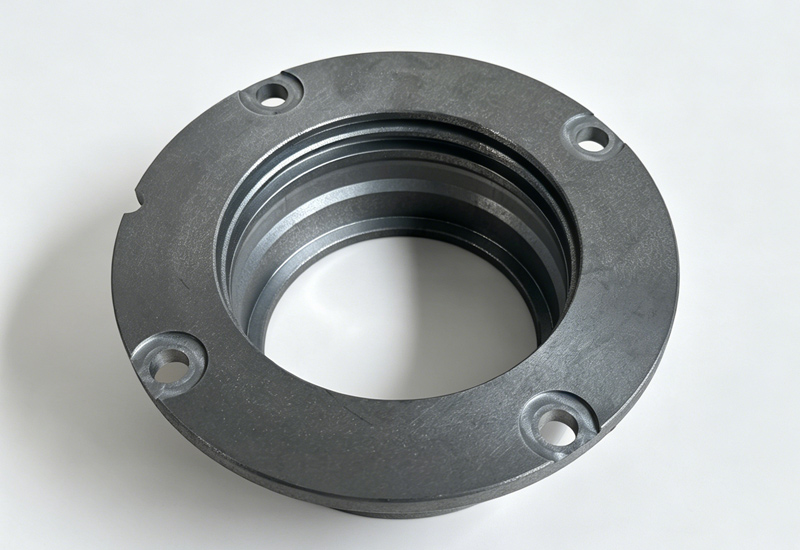
Cost efficient used triplex piston mud pumps are a practical choice for geotechnical projects that require reliable fluid circulation, stable pressure delivery, and strong pumping performance without the capital cost of brand-new equipment. In drilling and ground investigation applications, these pumps are commonly used to move drilling mud, water, or other circulation fluids through boreholes to support core sampling, borehole stabilization, cuttings removal, and tool cooling. For contractors, drillers, and project owners seeking to control costs while maintaining productivity, used triplex piston mud pumps can offer a compelling balance of performance, durability, and value.
This content provides a clear, SEO-friendly overview of used triplex piston mud pumps for geotechnical projects. It covers the definition, working principle, common applications, advantages, important specifications, buying considerations, maintenance factors, and operational guidance. The information below is written for direct use in a blog post, category page, industry landing page, or equipment resource page. It focuses on general industry knowledge only and does not include specific company recommendations.
A triplex piston mud pump is a positive displacement pump designed to deliver high-pressure fluid flow in demanding drilling environments. The term “triplex” means the pump uses three pistons or plungers working in sequence to produce smoother flow, reduce pulsation, and improve pumping efficiency. In geotechnical projects, this type of mud pump is widely used for circulating drilling mud or water in boreholes during site investigation, foundation work, environmental drilling, and exploration drilling.
The “used” category refers to pre-owned, refurbished, or previously operated pumps that are sold after initial service life. A cost efficient used triplex piston mud pump can provide essential drilling performance at a lower purchase price than a new unit, making it attractive for companies aiming to expand capacity, replace worn-out equipment, or build a more economical fleet.
Geotechnical projects often require dependable pumping equipment but do not always demand the latest model or highest-end configuration. Many applications prioritize reliability, serviceability, and adequate pressure and flow over advanced features. This is why used triplex piston mud pumps remain highly relevant across the geotechnical sector.
Contractors often choose used units because they can:
In many cases, a well-maintained used mud pump can deliver excellent field performance when properly inspected, serviced, and matched to project requirements.
A triplex piston mud pump uses three reciprocating pistons or plungers to draw fluid into the pump chamber and force it out under pressure. The alternating motion of the three pistons creates a steady fluid output suitable for drilling circulation. This pumping action helps maintain borehole stability, transport drill cuttings to the surface, and cool down drilling tools.
Basic operating sequence:
Compared with single-cylinder or smaller pumping systems, triplex designs typically provide smoother output, improved efficiency, and better handling of demanding drilling conditions.
Used triplex piston mud pumps are widely used in geotechnical work because they can handle the fluid pressure and continuous duty often required in field operations. Typical applications include:
| Geotechnical Application | Typical Pump Role | Key Benefit |
|---|---|---|
| Soil investigation drilling | Circulate drilling fluid and remove cuttings | Improved borehole stability and sampling efficiency |
| Foundation investigation | Support boring and sample retrieval | Consistent fluid delivery during boring operations |
| Environmental drilling | Maintain circulation in monitoring well installation | Reliable fluid movement in sensitive sites |
| Exploration drilling | Assist with core or sample drilling | Stable pressure for deeper or tougher formations |
| Water well support work | Move mud or water during drilling | Efficient performance in fluid circulation tasks |
| Site characterization projects | Support borehole cleaning and drilling progress | Better operational continuity and lower downtime |
These applications demonstrate why triplex piston mud pumps remain a core part of geotechnical drilling systems, especially where efficiency, reliability, and controllable cost matter most.
Choosing a used triplex piston mud pump offers several practical advantages for geotechnical teams. While the exact value depends on condition, previous maintenance, and operating history, well-selected units can provide substantial savings and operational benefits.
The most obvious advantage is reduced purchase cost. A used triplex piston mud pump can cost significantly less than a new model, allowing contractors to preserve cash flow or allocate budget to other project needs such as drill rods, tooling, transport, or site equipment.
Triplex piston mud pumps are mature, widely adopted machines with a long history in drilling and geotechnical work. This means spare parts, service knowledge, and field experience are often readily available. Buyers benefit from a well-understood design rather than an unproven or specialized system.
These pumps are generally built for harsh environments and continuous operation. Many used pumps still have a useful service life remaining, especially if they were used in moderate conditions or rebuilt properly before resale.
For many geotechnical projects, the best equipment choice is not the newest machine, but the one that provides reliable output at the lowest total cost. A cost efficient used mud pump often delivers a strong return on investment because it completes the required work without overcapitalizing the project.
Used pumps may be easier to source quickly than new equipment with long lead times. This can be valuable for urgent drilling contracts, replacement needs, or sudden project expansions.
When evaluating used triplex piston mud pumps for geotechnical projects, it is important to review technical specifications carefully. Matching pump capability to project needs helps reduce downtime and ensures efficient operation.
| Specification | Why It Matters | What to Check |
|---|---|---|
| Flow rate | Determines fluid volume delivered per minute | Match flow to borehole size and drilling method |
| Pressure rating | Shows the maximum discharge pressure | Ensure it suits drilling depth and formation conditions |
| Power requirement | Indicates engine or motor capacity needed | Confirm compatibility with site power or drive system |
| Piston or plunger size | Affects output volume and pressure | Select size based on project demands |
| Stroke length | Influences pumping displacement | Review for performance consistency |
| Condition of liners, valves, and seals | Critical wear parts affect performance | Inspect for wear, scoring, leakage, and replacement needs |
| Frame and housing integrity | Supports structural durability and safety | Look for cracks, corrosion, or misalignment |
| Previous service history | Indicates maintenance quality and reliability | Ask for records of rebuilds, oil changes, and part replacement |
The exact performance range varies by model, age, and condition. The following table gives a general industry reference for common triplex piston mud pump specifications used in geotechnical work.
| Parameter | Typical Range | Geotechnical Relevance |
|---|---|---|
| Flow rate | 50 to 500+ GPM | Supports light to medium drilling circulation |
| Pressure | 500 to 3000+ PSI | Helps handle deeper holes and denser formations |
| Power source | Diesel engine, electric motor, hydraulic drive | Allows flexibility for different job sites |
| Number of cylinders | 3 | Defines triplex configuration and smoother flow |
| Fluid type | Water, drilling mud, slurry, circulation fluids | Suitable for common geotechnical drilling fluids |
| Duty cycle | Continuous or intermittent depending on design | Important for long field operations |
| Mounting style | Skid-mounted, trailer-mounted, frame-mounted | Affects mobility and setup time |
| Approximate weight | Varies widely by configuration | Impacts transport and site handling |
Buying a used triplex piston mud pump requires a careful inspection process. Because the equipment has already been in service, the condition of internal wear parts and mechanical assemblies can strongly affect future performance and maintenance cost.
A low purchase price alone should not determine the decision. The true value of a cost efficient used triplex piston mud pump lies in its ability to perform reliably after purchase with reasonable maintenance and parts replacement.
Triplex piston mud pumps are often selected over other pump types because of their balance of pressure capability, durability, and efficiency. In geotechnical projects, these characteristics can make a meaningful operational difference.
| Pump Type | Main Feature | Comparison to Triplex Piston Mud Pump |
|---|---|---|
| Single-cylinder pump | Simpler design | Usually less smooth flow and lower overall efficiency |
| Centrifugal pump | Good for high volume, low pressure | Not ideal when pressure demands are higher |
| Diaphragm pump | Useful for abrasive or chemical fluids | May not match triplex performance for drilling circulation |
| Triplex piston pump | High pressure and steady flow | Strong fit for geotechnical drilling and mud circulation |
For many drilling operations, the triplex piston design provides the best combination of discharge pressure, flow stability, and repairability. Used units can therefore be especially appealing when the goal is to achieve professional-grade performance at a reduced cost.
The long-term value of a used triplex piston mud pump depends heavily on maintenance quality. Even a well-built pump can lose efficiency if wear parts are not replaced on time or if contamination enters the fluid end.
Good maintenance practices can extend pump life, reduce unplanned downtime, and improve the total cost efficiency of the machine. For buyers of used equipment, maintenance history is often one of the strongest indicators of future performance.
A truly cost efficient used triplex piston mud pump is not simply the cheapest unit on the market. It is the one that offers a strong balance of price, condition, service life, and operational suitability.
| Value Indicator | Positive Sign | Warning Sign |
|---|---|---|
| Price | Consistent with age and condition | Very low price with unknown damage |
| Wear parts | Serviceable with normal replacement needs | Severe wear on major components |
| Service records | Documented maintenance and rebuilds | No records or unclear history |
| Test performance | Stable pressure and flow | Leaks, pulsation, or poor output |
| Availability of spares | Common parts and support | Obsolete or hard-to-source components |
| Project fit | Matches depth, pressure, and flow needs | Underpowered or oversized for the job |
Selecting the right used pump begins with understanding project requirements. Geotechnical drilling varies widely in borehole size, depth, soil condition, fluid type, and operating schedule. The ideal pump should deliver enough pressure and flow without excessive fuel use, unnecessary oversizing, or frequent breakdowns.
Key selection questions include:
Answering these questions helps buyers choose a used triplex piston mud pump that is both cost efficient and operationally appropriate.
The following keyword themes are relevant for organic search visibility and can be naturally integrated into product pages, blog articles, and category descriptions:
When used naturally in headings, paragraphs, image alt text, and metadata, these keywords can help improve topical relevance and search engine visibility for equipment-related pages.
| Term | Meaning |
|---|---|
| Positive displacement pump | A pump that moves a fixed amount of fluid with each cycle |
| Fluid end | The section where fluid is drawn in and discharged |
| Liner | A wear component that guides the piston or plunger |
| Valve seat | The surface where valves close to control flow |
| Plunger | A reciprocating component that pressurizes the fluid |
| Cavitation | Damage caused when vapor bubbles form and collapse in the pump |
| Suction line | The inlet path that carries fluid into the pump |
| Discharge line | The outlet path that sends pressurized fluid to the system |
Used triplex piston mud pumps are a strong fit for a wide range of buyers in the geotechnical and drilling industries. They are especially useful for:
For these buyers, the combination of lower acquisition cost, established design, and practical field performance makes used triplex piston mud pumps a reliable option.
Cost efficient used triplex piston mud pumps remain one of the most practical fluid circulation solutions for geotechnical projects. Their triplex design provides steady pressure and dependable flow, while the used-equipment market offers meaningful savings for contractors and drilling teams. When properly inspected and maintained, a used mud pump can deliver strong value, support demanding site work, and help companies control equipment costs without sacrificing essential performance.
For geotechnical drilling applications, the key is to select a pump that matches the project’s pressure, flow, and durability requirements. By focusing on condition, maintenance history, component wear, and specification fit, buyers can secure a used triplex piston mud pump that is both economical and effective. This makes the used pump market an important resource for modern geotechnical operations that need dependable equipment and cost-conscious decision-making.
```
This website uses cookies to ensure you get the best experience on our website.


 Pусский



 WhatsApp
 Phone
Phone
Comment
(0)