

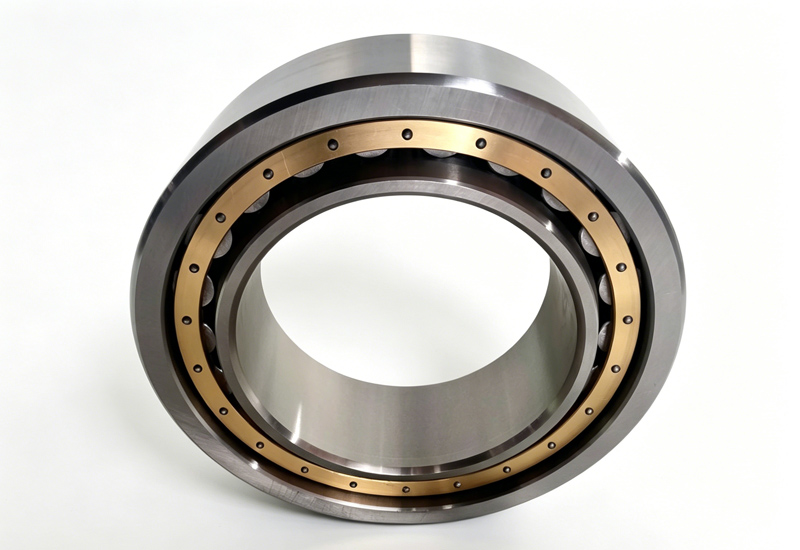
Triplex piston mud pumps are widely used in demanding industrial drilling environments where reliability,
pressure stability, and wear resistance are essential. One of the most important systems in a mud pump is the
anti corrosion suction assembly, which supports efficient fluid intake while helping protect
critical pump components from chemical attack, abrasion, and long-term operational damage. In drilling,
mining, well servicing, slurry transfer, and other heavy-duty fluid handling applications, the suction side of
the pump is often exposed to corrosive media, abrasive particles, fluctuating temperatures, and repeated
mechanical stress. For this reason, the design and material selection of triplex piston mud pump anti corrosion suction assembly components
play a major role in overall pump performance, service life, and maintenance cost.
This page provides industry-focused, SEO-friendly, and original information about the structure, function,
advantages, common materials, technical specifications, and practical considerations of anti corrosion suction
assembly components for triplex piston mud pumps. The content is written for use in blogs, product category
pages, industrial directories, and equipment knowledge sections. It does not recommend specific manufacturers or
brands; instead, it offers general technical information that is useful across the industry.
A triplex piston mud pump anti corrosion suction assembly is the collection of intake-side parts
that guide drilling mud, slurry, or other process fluids into the pump chamber while resisting corrosion and
premature wear. In a triplex pump, three pistons or plungers work in a synchronized cycle to deliver continuous
fluid flow under pressure. Before the fluid reaches the piston chambers, it must pass through the suction system.
The suction assembly is therefore responsible for maintaining a stable inlet flow, minimizing pressure loss,
reducing cavitation risk, and withstanding aggressive operating conditions.
The term anti corrosion refers to the use of specialized materials, coatings, seals, and
structural design features that help prevent degradation caused by water, drilling additives, acids, salts,
sulfides, alkalis, and other corrosive substances. In many industrial environments, ordinary steel parts may
fail quickly due to rust, pitting, scaling, or chemical erosion. Anti corrosion suction components are designed
to extend service life and preserve pump efficiency over time.
The suction side of a mud pump is often exposed to challenging conditions. Fluids may contain salts, chlorides,
sand, bentonite, polymers, oil-based additives, and other active compounds. In some operations, the fluid can be
acidic, highly alkaline, or chemically reactive. If the suction assembly is not corrosion-resistant, several
problems may occur:
In high-value drilling operations, unplanned downtime can be expensive. That is why the suction assembly is not
just a passive intake section; it is a critical reliability component. Corrosion-resistant materials and proper
assembly design can significantly improve operational continuity and lower lifecycle costs.
Although exact configurations may vary by pump model and system design, a typical anti corrosion suction assembly
for a triplex piston mud pump may include the following components:
| Component | Function | Common Anti Corrosion Feature |
|---|---|---|
| Suction manifold | Collects and distributes incoming fluid to the pump chambers | Corrosion-resistant alloy, internal coating, smooth bore design |
| Suction pipe / suction line | Transfers fluid from tank or source to the pump inlet | Stainless steel, lined steel, anti rust treatment |
| Suction flange | Connects piping to the pump assembly | Machined sealing face, anti corrosion surface finish |
| Strainer or filter screen | Blocks large debris and protects internal parts | Stainless steel mesh or corrosion-resistant perforated plate |
| Check valve or inlet valve | Controls one-way flow and prevents backflow | Wear-resistant seat and corrosion-resistant body |
| Gaskets and seals | Provide leak-tight connections | Chemical-resistant elastomers, PTFE, reinforced sealing materials |
| Fasteners | Secure the suction assembly components together | Stainless or coated anti rust fasteners |
| Adapter or transition piece | Connects different pipe sizes or configurations | Corrosion-resistant alloy or coated carbon steel |
| Support brackets | Provides structural stability and vibration control | Painted, coated, or stainless support elements |
The triplex mud pump uses three pistons operating in sequence to create a continuous pumping effect. During the
suction stroke, a piston moves to create a low-pressure zone inside the chamber. This pressure differential draws
fluid through the suction assembly and into the pump body. The suction components must therefore support
efficient inlet flow with minimal turbulence and minimal restriction.
A well-designed suction assembly helps ensure:
In anti corrosion designs, the internal surfaces are selected and finished to minimize chemical interaction.
Smooth flow paths reduce turbulence, which in turn helps decrease erosion and corrosion-accelerated wear.
Material selection is one of the most important factors in determining corrosion resistance, cost, and mechanical
strength. The best material depends on fluid chemistry, pressure requirements, temperature, and abrasion level.
Common materials include:
| Material | Key Advantages | Typical Use |
|---|---|---|
| Stainless steel | Good corrosion resistance, durable, widely available | Flanges, manifolds, fasteners, strainers |
| Duplex stainless steel | Higher strength and improved resistance to chlorides | High-corrosion suction systems |
| Alloy steel with protective coating | Strong base material with added surface protection | Housings, adapters, structural parts |
| PTFE-lined components | Excellent chemical resistance and low friction | Special fluid transfer sections |
| Rubber-lined parts | Good resistance to certain abrasive and corrosive fluids | Linings, flexible transitions |
| Bronze or copper alloy | Useful in some non-ferrous applications, moderate corrosion resistance | Special fittings and legacy systems |
| Engineered polymers | Lightweight, chemically resistant, low maintenance | Seals, inserts, non-load-bearing elements |
In addition to base material selection, many suction assembly components use surface protection methods to further
improve durability. These methods are widely used in industrial pump systems:
These treatments are often selected based on the exact pumping environment. For example, offshore drilling,
chemical slurry transfer, and saline water systems may require different protection strategies. The best
anti corrosion suction assembly usually combines a suitable base material with an appropriate surface finish.
Using anti corrosion suction assembly components in triplex piston mud pumps offers several practical advantages:
| Advantage | Benefit to Operation |
|---|---|
| Longer service life | Reduces part replacement frequency and extends maintenance intervals |
| Improved reliability | Helps maintain stable pump performance in aggressive environments |
| Lower downtime | Decreases the chance of unplanned shutdowns caused by corrosion failures |
| Better suction efficiency | Supports consistent fluid intake and minimizes flow restriction |
| Reduced leakage risk | Improves seal integrity and connection durability |
| Higher resistance to chemicals | Protects the pump against acids, salts, and reactive additives |
| Lower total cost of ownership | Can reduce repair costs, labor time, and spare part consumption |
| Improved safety | Helps prevent fluid escape, component rupture, and equipment instability |
The specifications of a triplex piston mud pump anti corrosion suction assembly depend on pump size, pressure
rating, application type, and fluid characteristics. The following table provides a general industry overview of
common specification ranges. Actual values may vary by system design.
| Specification | Typical Range / Options | Notes |
|---|---|---|
| Pump type | Triplex piston mud pump | Three-cylinder or three-piston configuration |
| Pressure rating | Medium to high pressure | Depends on mud system and application |
| Temperature range | Ambient to elevated process temperatures | Seal and lining selection must match operating temperature |
| Material options | Stainless steel, duplex steel, coated alloy steel, PTFE-lined parts | Chosen based on corrosion and abrasion resistance |
| Connection type | Flanged, threaded, welded, or custom transition | Should match the pump and pipe layout |
| Seal type | O-ring, gasket, lip seal, PTFE seal, composite seal | Compatibility with fluid chemistry is essential |
| Surface finish | Machined, polished, coated, lined, passivated | Smoother finishes often improve flow and reduce wear |
| Maintenance interval | Application-dependent | Can range from routine inspection to planned replacement cycles |
Several design choices can improve the performance of suction assembly components in corrosive environments.
These include:
A well-engineered suction assembly should not only resist corrosion but also preserve hydraulic performance. The
best solutions balance chemical resistance, mechanical strength, manufacturability, and cost.
Anti corrosion suction assembly components for triplex piston mud pumps are used in many sectors where fluid
integrity and equipment durability are essential. Common application areas include:
In each of these applications, the fluid may carry corrosive elements or abrasive solids. The suction assembly
must therefore be selected to match the actual service conditions rather than only the nominal pump size.
Choosing the right suction assembly components requires attention to several technical and operational factors:
| Selection Factor | Why It Matters |
|---|---|
| Fluid chemistry | Determines which metals, coatings, and seals can withstand exposure |
| Abrasive content | Impacts wear rate and internal surface durability |
| Operating pressure | Affects wall thickness, joint design, and sealing requirements |
| Flow rate | Influences pipe diameter, manifold size, and suction resistance |
| Temperature | Changes material behavior and seal compatibility |
| Installation environment | Humidity, salt exposure, and outdoor weather affect corrosion risk |
| Maintenance access | Easy-to-service parts reduce downtime and labor cost |
| Budget and lifecycle cost | Initial price should be balanced against durability and repair frequency |
Even the best anti corrosion suction assembly components require routine inspection and maintenance. Good
maintenance practices help prevent unexpected failure and preserve performance:
Preventive maintenance is especially important in corrosive service because corrosion often progresses silently.
By the time leakage or cracking becomes visible, significant internal damage may already be present.
In mud pump systems, corrosion resistance and abrasion resistance are related but not identical. Corrosion
resistance refers to protection against chemical attack, oxidation, and rust. Abrasion resistance refers to a
material's ability to withstand wear caused by solid particles, friction, and repeated contact.
A suction assembly component may need both properties. For example, a stainless steel part may resist corrosion
well but still wear down if exposed to heavy sand content. Likewise, a hard-coated part may resist abrasion but
require additional chemical protection. The best triplex piston mud pump anti corrosion suction assembly
components usually combine both characteristics in a balanced design.
The following practices can help maximize the service life of anti corrosion suction assembly parts:
These measures are particularly important in saltwater, chemical slurry, and offshore environments where corrosion
progresses quickly. Small improvements in material and maintenance practice can have a major impact on uptime.
For content targeting search visibility, the following industry terms are closely related to
triplex piston mud pump anti corrosion suction assembly components and can appear naturally in
supporting content:
Using these phrases in a natural and informative way can support search engine indexing while keeping the text
useful for engineers, buyers, maintenance teams, and technical readers.
When comparing suction assembly components, buyers and engineers often review the following terms:
| Term | Meaning |
|---|---|
| Inlet pressure | Pressure at the point where fluid enters the suction system |
| Flow capacity | Maximum volume of fluid the suction assembly can support |
| Chemical compatibility | Suitability of a material for exposure to specific fluids |
| Corrosion allowance | Extra material thickness added to extend service life |
| Seal compatibility | Ability of gasket or seal material to function in the process fluid |
| Surface roughness | Degree of smoothness on internal and external surfaces |
| Maintenance cycle | Scheduled interval for inspection, cleaning, and replacement |
Triplex piston mud pump anti corrosion suction assembly components are essential for reliable,
efficient, and long-lasting pumping performance in demanding industrial environments. By combining corrosion
resistant materials, well-designed flow paths, appropriate sealing systems, and durable surface treatments,
these components help reduce downtime, improve suction stability, and lower lifecycle costs. Whether used in
drilling, slurry transfer, offshore operations, or chemical handling, the suction assembly must be selected with
attention to fluid chemistry, operating pressure, temperature, and wear conditions.
For industry pages, catalogs, and technical blog content, this topic offers strong SEO potential because it
addresses a specific equipment component, a common maintenance concern, and a high-value industrial application.
High-quality original content that explains the function, advantages, materials, specifications, and maintenance
of anti corrosion suction assembly parts can help attract targeted search traffic and support better page ranking.
```
This website uses cookies to ensure you get the best experience on our website.


 Pусский



 WhatsApp
 Phone
Phone
Comment
(0)