

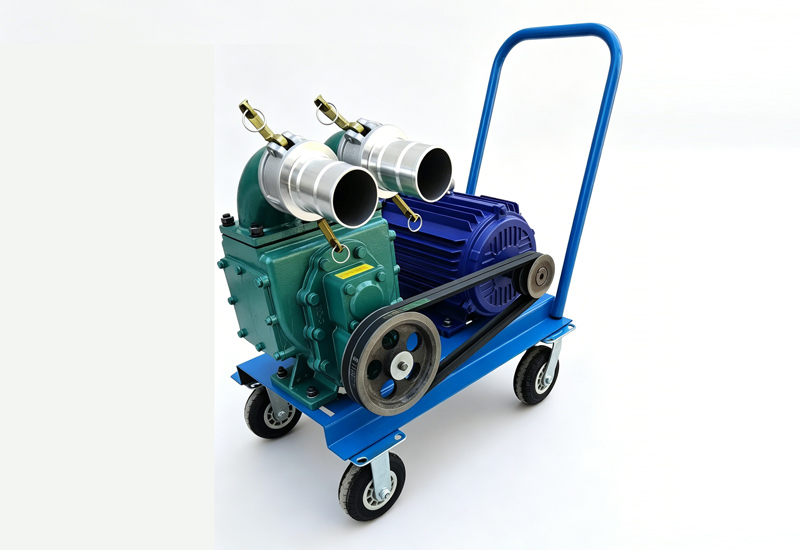
A custom mud pump suction chamber assembly is a critical component in drilling and fluid handling systems where consistent slurry movement, stable intake flow, and reliable pressure performance are essential. In many industrial applications, especially in oil and gas drilling, mining, geothermal drilling, and heavy-duty slurry transfer, fluid blockage can cause severe downtime, unstable pumping, cavitation, excessive wear, and reduced operational efficiency. A properly engineered suction chamber assembly helps maintain smooth suction, reduce turbulence, improve inlet flow conditions, and prevent clogging caused by solids, sediment, viscous fluids, or irregular flow paths.
This page provides a comprehensive industry overview of the custom mud pump suction chamber assembly to avoid fluid blockage, including definitions, working principles, design advantages, material options, common applications, technical specifications, maintenance considerations, and SEO-friendly reference tables. The content is written for general industry use and can be inserted directly into a blog post, product category page, engineering knowledge base, or industrial directory page.
A mud pump suction chamber assembly is the inlet-side component that receives drilling mud, slurry, or other abrasive fluids before they enter the pump chamber. Its main function is to stabilize incoming flow, distribute fluid evenly, and reduce the risk of air entrainment, sediment accumulation, and suction-side blockage. In a custom design, the chamber can be engineered to match specific fluid properties, installation constraints, pump capacity, and operating conditions.
The suction chamber assembly typically includes a housing body, inlet port, flange connections, internal flow path, inspection access points, sealing elements, and reinforcement features. Depending on the application, it may also include wear-resistant liners, anti-vortex structures, enlarged flow passages, cleanout openings, and custom mounting interfaces.
Fluid blockage is one of the most common operational issues in mud pumping systems. It occurs when solids, debris, thickened slurry, fibrous particles, or poorly designed inlet geometry restrict fluid movement. In many cases, blockage is not caused by the pump alone, but by insufficient suction chamber design, poor flow transition, or incompatible material selection.
| Common Cause | Description | Operational Impact |
|---|---|---|
| Solid buildup | Particles settle inside the inlet chamber and form deposits | Reduced suction flow and possible total obstruction |
| Poor inlet geometry | Sharp turns or narrow passages create turbulence and dead zones | Uneven flow and material accumulation |
| High slurry viscosity | Dense or thick fluids move slowly through the chamber | Higher suction resistance and increased wear |
| Air entrainment | Air enters the fluid stream and disrupts suction stability | Cavitation, vibration, and pumping inefficiency |
| Inadequate cleaning access | Chamber cannot be inspected or cleaned easily | Longer downtime and recurring clogging problems |
The primary advantage of a custom mud pump suction chamber assembly is its ability to be tailored for blockage prevention. Instead of using a standard one-size-fits-all component, a custom assembly can be designed to handle the exact fluid characteristics and process conditions of the site. This reduces the likelihood of dead zones, sediment traps, flow restriction, and pressure instability.
A custom-engineered assembly offers several performance and maintenance advantages compared with standard suction inlet designs. These benefits are especially important in high-solid, high-viscosity, or continuously operating systems.
| Advantage | Benefit | SEO-Relevant Keyword Focus |
|---|---|---|
| Reduced blockage risk | Improves flow continuity and minimizes sediment buildup | mud pump suction chamber assembly, blockage prevention |
| Better suction stability | Supports smoother inlet conditions and less cavitation | custom suction chamber, stable fluid intake |
| Improved abrasion resistance | Extends service life in abrasive slurry environments | wear-resistant mud pump chamber |
| Lower maintenance frequency | Reduces shutdowns and cleaning cycles | low maintenance suction assembly |
| Application-specific fit | Matches existing piping, pump frame, and site layout | custom industrial pump assembly |
A complete suction chamber assembly may include several structural and functional parts. The exact configuration depends on pump type, fluid characteristics, and operating environment. For blockage control, each component must support uninterrupted flow and easy inspection.
| Component | Function | Blockage Control Role |
|---|---|---|
| Inlet flange | Connects the chamber to upstream piping | Ensures secure, leak-free fluid entry |
| Chamber body | Main housing for fluid accumulation and flow smoothing | Prevents dead zones and stabilizes suction flow |
| Flow transition section | Guides fluid from inlet to pump entry point | Reduces turbulence and sediment trapping |
| Inspection port | Allows visual inspection and cleaning | Supports blockage detection and removal |
| Wear liner | Protects internal surfaces from abrasion | Prevents rough surfaces that promote buildup |
| Drain or cleanout outlet | Enables removal of residue and settled solids | Improves maintenance efficiency |
When designing a custom mud pump suction chamber assembly, several engineering features can significantly reduce blockage risk. These features are especially valuable where mud contains drilled solids, sand, clay, cuttings, or other abrasive particles.
Material selection is a major factor in preventing blockage and improving service life. The right material depends on fluid abrasiveness, chemical compatibility, temperature, and operating pressure. In general, stronger wear resistance and smoother internal surfaces help reduce buildup and improve flow consistency.
| Material | Main Characteristics | Typical Use Case |
|---|---|---|
| Carbon steel | Strong, economical, and widely used for industrial fabrication | General-duty mud pumping systems |
| Stainless steel | Good corrosion resistance and smoother surface durability | Corrosive or moisture-sensitive fluid environments |
| Alloy steel | Improved strength and wear resistance | High-pressure and abrasive service |
| Hardfaced steel | Enhanced surface hardness for severe abrasion | Slurry, cuttings, and heavy solids handling |
| Rubber-lined assembly | Offers impact and abrasion resistance with some vibration damping | Dense slurry and erosive mud flow |
| Polyurethane-lined assembly | Combines wear resistance with flexibility | Particle-laden slurry applications |
A custom mud pump suction chamber assembly is used in many industrial sectors where fluid blockage control and reliable suction performance are essential. The same engineering principles apply across different industries, even when the fluid types and pump sizes vary.
The following table provides a generic specification reference for a custom mud pump suction chamber assembly. Actual dimensions, tolerances, and performance requirements should always be matched to the specific project, pump model, and operating environment.
| Specification Item | Typical Range / Option | Notes |
|---|---|---|
| Body material | Carbon steel, stainless steel, alloy steel, lined steel | Selected based on wear, corrosion, and temperature conditions |
| Internal surface finish | Smooth finish, polished finish, lined interior | Smoother surfaces help reduce buildup and friction |
| Inlet size | Custom-dimensioned | Must match upstream piping and fluid volume |
| Outlet configuration | Single outlet, dual outlet, or custom transition | Depends on pump arrangement |
| Pressure rating | Application-specific | Should exceed expected system pressure |
| Temperature range | Site-specific | Important for hot mud or process fluids |
| Access features | Inspection port, drain port, removable cover | Improves cleaning and serviceability |
| Anti-blockage design | Tapered inlet, enlarged chamber, anti-vortex structure | Key for fluid blockage prevention |
Selecting the right custom mud pump suction chamber assembly requires careful evaluation of fluid behavior, operating pressure, installation layout, and maintenance expectations. An undersized or poorly shaped chamber can increase the chance of clogging, while a properly engineered unit can improve pump reliability and service life.
Even the best suction chamber assembly needs proper operation and maintenance. To reduce the risk of fluid blockage, operators should follow practical design and maintenance best practices throughout the service life of the equipment.
In many systems, blockage develops gradually. Recognizing early warning signs can prevent unplanned downtime and protect the pump from damage. If any of the following symptoms occur, the suction chamber assembly should be inspected immediately.
| Warning Sign | Possible Cause | Suggested Action |
|---|---|---|
| Reduced flow rate | Partial inlet restriction or buildup inside the chamber | Inspect the inlet path and clean the system |
| Excessive vibration | Air entrainment, cavitation, or unstable suction | Check geometry, fluid level, and inlet conditions |
| Frequent pressure drops | Intermittent blockage or sediment movement | Review chamber design and solids handling capacity |
| Unusual noise | Turbulence or cavitation within the intake zone | Inspect for vortex formation and flow restriction |
| Rising maintenance frequency | Material buildup or wear-related flow degradation | Evaluate the need for a custom redesign |
This article is optimized for search visibility using relevant industry keywords related to suction-side pumping equipment and blockage prevention. Target phrases include:
A custom mud pump suction chamber assembly to avoid fluid blockage is an essential solution for industrial systems that handle abrasive, viscous, or solids-heavy fluids. By combining optimized chamber geometry, appropriate materials, accessible maintenance features, and application-specific dimensions, operators can improve suction stability, reduce clogging, extend equipment life, and maintain efficient fluid transfer. Whether used in drilling, mining, environmental treatment, or heavy industrial processing, a custom suction chamber assembly plays a major role in reliable pump operation and long-term performance.
For best results, the design should always be based on fluid analysis, site conditions, and maintenance requirements. A well-engineered suction chamber is not just a supporting component; it is a performance-critical part of the pumping system that directly impacts flow continuity, operational uptime, and blockage control.
```
If you want, I can also provide:
1. a more SEO-aggressive version with denser keyword placement,
2. a full HTML page version including meta title, meta description, and heading structure, or
3. a different industry tone such as more technical, more commercial, or more blog-style.
This website uses cookies to ensure you get the best experience on our website.


 Pусский



 WhatsApp
 Phone
Phone
Comment
(0)