

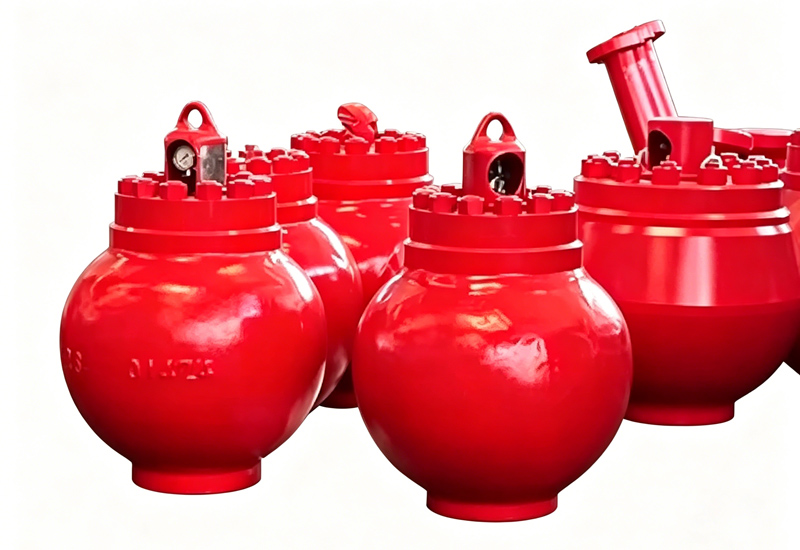
The high pressure drilling rig mud pump triplex reciprocating structure is one of the most important
fluid handling systems used in modern drilling operations. In oil and gas drilling, geothermal drilling, mining,
and deep well applications, a mud pump provides the hydraulic energy needed to circulate drilling fluid through the
drill string and back to the surface. A triplex reciprocating mud pump is widely preferred because
it can deliver high pressure, stable flow, and reliable performance under demanding field conditions.
This page provides a detailed, SEO-friendly overview of the triplex reciprocating mud pump structure,
including its working principle, main components, advantages, performance features, common specifications, and key
selection factors. The content is designed for use in blog posts, category pages, industry landing pages, and product
knowledge sections. It focuses on industry-general information only, without any brand or company
recommendations.
A high pressure drilling rig mud pump is a heavy-duty reciprocating pump used to circulate drilling
fluid, commonly called mud, in a drilling system. The pump draws drilling fluid from the mud tanks and sends it at
high pressure through the surface equipment, drill pipe, drill collar, and bit nozzles. After cooling and cleaning
the bottom hole area, the fluid returns to the surface carrying cuttings and debris.
In practical use, the mud pump must handle abrasive fluids, fluctuating loads, continuous duty cycles, and high
discharge pressures. For this reason, the triplex reciprocating structure has become a standard
design in many drilling rigs. Its balanced motion, efficient fluid delivery, and strong pressure capability make it
suitable for deep wells and complex drilling conditions.
The triplex mud pump uses three pistons or plungers arranged in a reciprocating configuration. Each
cylinder works in sequence, creating a steady flow output and reducing pressure pulsation compared with simpler pump
designs. This structure is especially valuable in high pressure drilling rig systems where consistent hydraulic
performance is critical.
Compared with single-acting or duplex systems, a triplex design offers better fluid delivery efficiency, more compact
construction, and smoother operation. As drilling depths increase and well conditions become more demanding,
operators often choose a high pressure triplex reciprocating mud pump because it balances power,
reliability, and maintainability.
The working principle of a triplex reciprocating mud pump is based on positive displacement. Each
piston or plunger moves back and forth inside a cylinder, creating suction and discharge cycles. When the piston
retracts, drilling fluid enters the chamber through an inlet valve. When the piston moves forward, the fluid is
compressed and forced out through a discharge valve into the mud line.
Because three cylinders operate with phase differences, the pump delivers a more uniform flow than a single-cylinder
pump. This design helps maintain pressure stability, improves drilling efficiency, and supports continuous
circulation. The triplex configuration also reduces vibration and helps extend the service life of connected
components when the system is properly maintained.
| Working Stage | Function | Result |
|---|---|---|
| Suction Stroke | Piston retracts and inlet valve opens | Drilling fluid enters the cylinder |
| Compression Stroke | Piston moves forward and pressure rises | Fluid is pressurized inside the chamber |
| Discharge Stroke | Outlet valve opens under pressure | Fluid is sent to the drilling system |
| Continuous Cycle | Three cylinders work in sequence | Stable high pressure flow is maintained |
A high pressure drilling rig mud pump consists of multiple mechanical and hydraulic components working together to
deliver reliable performance. Understanding the structure is important for selection, maintenance, and operational
planning.
| Component | Function | Common Material / Design Note |
|---|---|---|
| Power End | Converts rotary input into reciprocating motion | Heavy-duty frame, crankshaft, bearings, connecting rods |
| Fluid End | Handles mud compression and discharge | Cylinder block, liners, valves, valve seats, pistons |
| Crankshaft | Drives the reciprocating motion | Forged steel for high strength and fatigue resistance |
| Connecting Rods | Transmit motion from crankshaft to crosshead | Precision-machined alloy steel |
| Crossheads | Guide piston movement in a linear path | Designed to reduce side loading and wear |
| Pistons / Plungers | Compress and move drilling fluid | Wear-resistant and replaceable parts |
| Linings | Protect cylinder bores from abrasion | Replaceable metal or ceramic-lined options |
| Valves and Seats | Control inlet and outlet flow | High-sealing precision components |
| Fluid Dampener | Reduces pressure pulsation | Improves flow stability and system protection |
| Lubrication System | Supports smooth operation of power end parts | Oil circulation system for bearings and gears |
The high pressure drilling rig mud pump triplex reciprocating structure is designed to meet the
requirements of modern drilling operations. Its features make it suitable for both onshore and offshore drilling
applications where reliability and pressure output matter.
The triplex reciprocating structure provides multiple operational advantages in a high pressure drilling rig. These
benefits are the reason the design remains a core solution in drilling fluid circulation systems.
Because the pump has three reciprocating cylinders working in sequence, pressure fluctuations are reduced. This helps
maintain a more uniform flow to the drill bit, which can improve hole cleaning and drilling control.
Triplex pumps are positive displacement pumps, meaning they move a defined volume of fluid per cycle. This makes them
efficient in delivering high pressure at controlled flow rates, especially when compared with some alternative pump
systems.
The structure is engineered for harsh operating environments. With proper maintenance, a triplex mud pump can offer
long service life and dependable operation during extended drilling campaigns.
Many fluid end components are designed to be replaceable. This helps reduce downtime and supports cost-effective
maintenance planning in drilling fleets.
The triplex reciprocating structure is used in oil and gas drilling, geothermal drilling, water well drilling,
horizontal directional drilling, and mining exploration. Its flexibility makes it a common choice across multiple
industries.
A high pressure mud pump is not limited to one drilling environment. Its triplex reciprocating
structure supports a broad range of applications where mud circulation, pressure control, and hole cleaning are
essential.
| Application Area | Typical Use | Performance Need |
|---|---|---|
| Oil and Gas Drilling | Circulation of drilling fluid in well construction | High pressure and continuous duty performance |
| Geothermal Drilling | Fluid circulation in hot and deep wells | Heat resistance and reliability |
| Mining Drilling | Support for exploration and borehole drilling | Durable design for abrasive conditions |
| Water Well Drilling | Fluid movement for deep water well construction | Stable flow and moderate to high pressure |
| Horizontal Directional Drilling | Supports trenchless drilling operations | Consistent mud flow and solids removal |
| Well Workover Services | Assists in cleaning, maintenance, and intervention work | Controlled circulation and flexible output |
When evaluating a triplex reciprocating mud pump, several technical parameters are commonly used.
These specifications help determine whether a pump is suitable for a certain rig size, well depth, or fluid
circulation requirement.
| Specification | Meaning | Why It Matters |
|---|---|---|
| Rated Flow Rate | Volume of fluid delivered per minute | Determines circulation capacity |
| Maximum Discharge Pressure | Highest pressure the pump can generate safely | Important for deep wells and high-resistance systems |
| Stroke Length | Distance the piston travels per cycle | Influences flow rate and pump size |
| Stroke Frequency | Number of strokes per minute | Affects output and pressure behavior |
| Power Input | Energy required from the drive system | Important for engine or motor selection |
| Fluid End Size | Physical dimensions of the pumping chamber | Related to pressure and capacity range |
| Liner Size | Diameter of cylinder liner | Affects output volume and pressure balance |
| Weight and Footprint | Overall size and installation mass | Important for rig layout and transport |
The following table shows a general example of the kind of performance data often associated with a
high pressure triplex reciprocating mud pump. Values vary by design, application, and rig
requirements.
| Parameter | Typical Range | Notes |
|---|---|---|
| Flow Rate | 200 to 1000+ GPM | Depends on liner size and stroke speed |
| Discharge Pressure | 3000 to 7500+ PSI | Higher-pressure models support deeper wells |
| Stroke Rate | 40 to 130 SPM | Adjusted to match operating conditions |
| Power Range | 200 to 2200 HP | Driven by the rig's power system |
| Number of Cylinders | 3 | Triplex reciprocating structure |
| Pump Type | Positive displacement reciprocating | Common for drilling fluid circulation |
| Service Environment | Harsh industrial drilling conditions | Designed for continuous heavy-duty use |
Choosing the right drilling rig mud pump requires matching pump performance to well requirements,
rig layout, and circulating fluid characteristics. A pump that is too small may not provide enough pressure or flow,
while an oversized unit may increase energy consumption and system cost.
In the drilling industry, triplex and duplex mud pumps are both used for fluid circulation, but they differ in
structure, performance, and operating characteristics. The triplex reciprocating mud pump is often
preferred for modern high pressure drilling because it offers better output efficiency and smoother flow.
| Feature | Triplex Pump | Duplex Pump |
|---|---|---|
| Number of Cylinders | 3 | 2 |
| Flow Smoothness | Better | Moderate |
| Pressure Capability | High | Moderate to high |
| Size Efficiency | Compact | Larger for similar output |
| Maintenance Load | Common wear parts, easier modernization | More traditional design |
| Typical Use | Modern drilling rigs | Older or specific applications |
From an industry content perspective, the keyword high pressure drilling rig mud pump triplex reciprocating
structure is highly relevant because it combines the most searched technical concepts in one phrase:
drilling rig mud pump, high pressure pump, triplex design, and reciprocating structure. These terms align with
common buyer intent, engineering research, equipment comparison, and drilling technology queries.
Content built around this keyword can perform well in search results when it clearly explains the technology,
includes structured headings, uses tables, and covers related search terms such as triplex mud pump,
drilling fluid circulation, high pressure reciprocating pump, mud pump
components, and drilling rig fluid end. Search engines favor pages that answer user intent
with practical and organized information.
The drilling industry uses many related terms when discussing a triplex reciprocating mud pump.
Including these naturally in content can improve topical coverage and help search engines understand relevance.
| Term | Meaning |
|---|---|
| Reciprocating Pump | A pump that moves fluid by back-and-forth piston or plunger action |
| Positive Displacement Pump | A pump that moves a fixed volume of fluid per cycle |
| Fluid End | The section where drilling fluid is pressurized |
| Power End | The section that converts drive power into motion |
| Liner | Replaceable cylinder wear part |
| Valve Assembly | Mechanism that controls suction and discharge flow |
| Pulsation Dampener | Device used to reduce pressure fluctuation |
| Stroke Rate | Frequency of piston movement per minute |
Proper maintenance is essential for any high pressure drilling rig mud pump. The abrasive nature of
drilling fluid, combined with high pressure and continuous operation, can lead to wear in valves, pistons, liners,
seals, bearings, and other critical parts. A planned maintenance program helps preserve performance and reduce
unexpected downtime.
The high pressure drilling rig mud pump triplex reciprocating structure is a core technology for
efficient drilling fluid circulation. Its three-cylinder reciprocating design offers stable flow, high pressure
capability, compact size, and strong reliability in demanding drilling environments. Whether used in oil and gas
drilling, geothermal wells, mining, or water well operations, the triplex mud pump remains a highly practical and
widely adopted solution.
For SEO-focused industry pages, this topic offers strong relevance because it connects multiple high-intent keywords
and provides valuable technical information for engineers, procurement teams, rig operators, and technical readers.
A well-structured page with definitions, advantages, tables, and specification references can help improve topical
authority and support search engine indexing.
```
This website uses cookies to ensure you get the best experience on our website.


 Pусский



 WhatsApp
 Phone
Phone
Comment
(0)